|
Xi’an Guide
China Guide
Online
Contact Us
Welcome to China!
Top View Holiday Travel & Tours will be your best partner in China!
Service
|
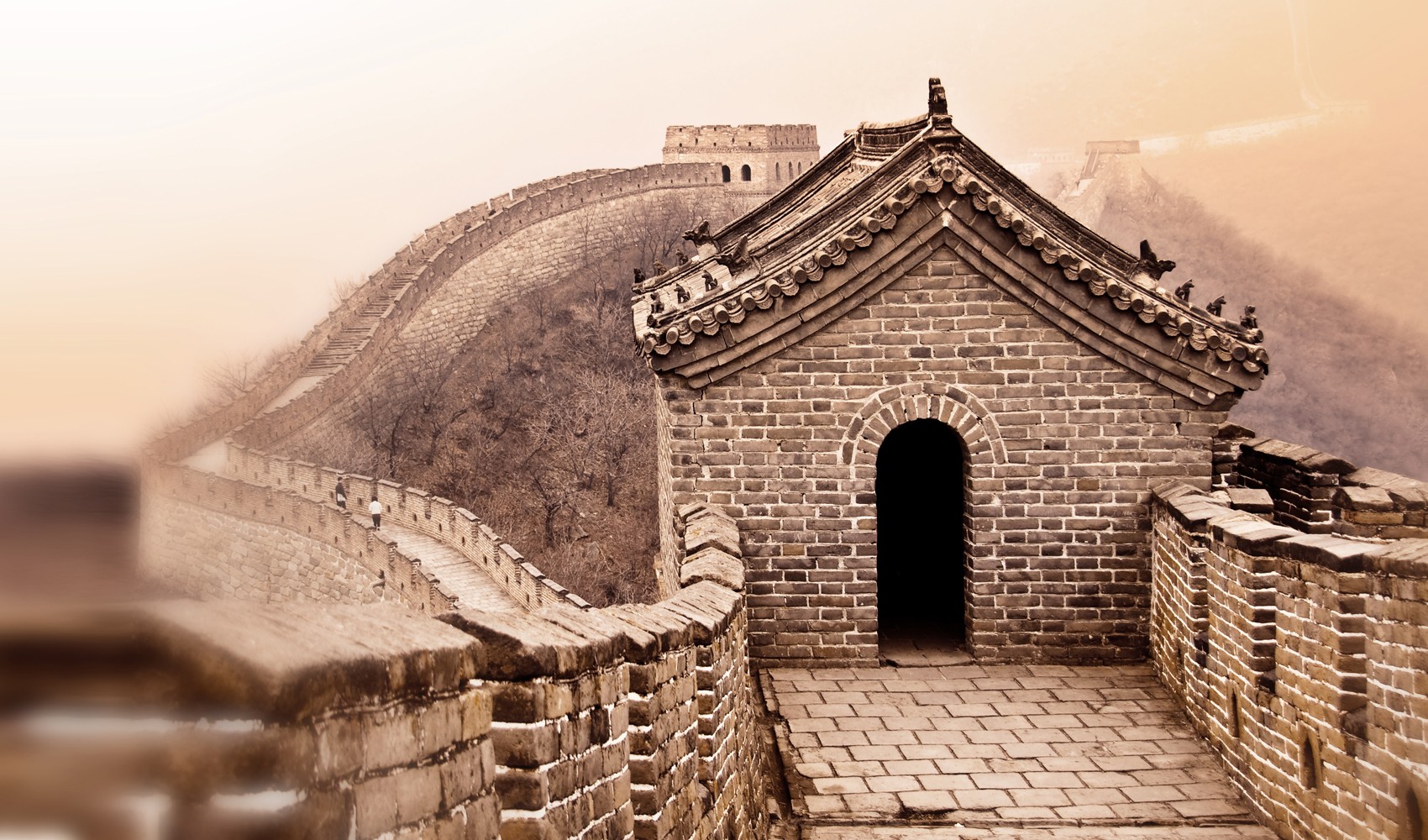
The City Wall
Tag:Xian Guide
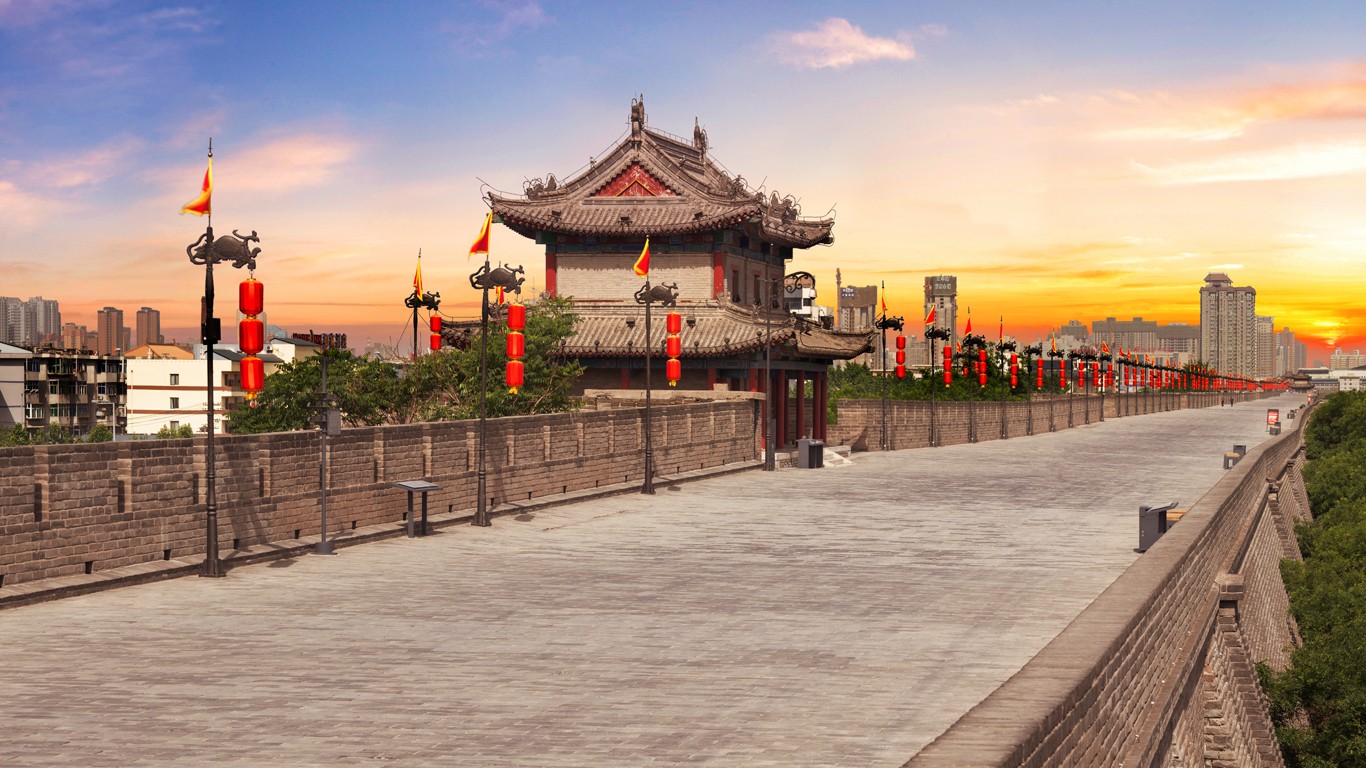
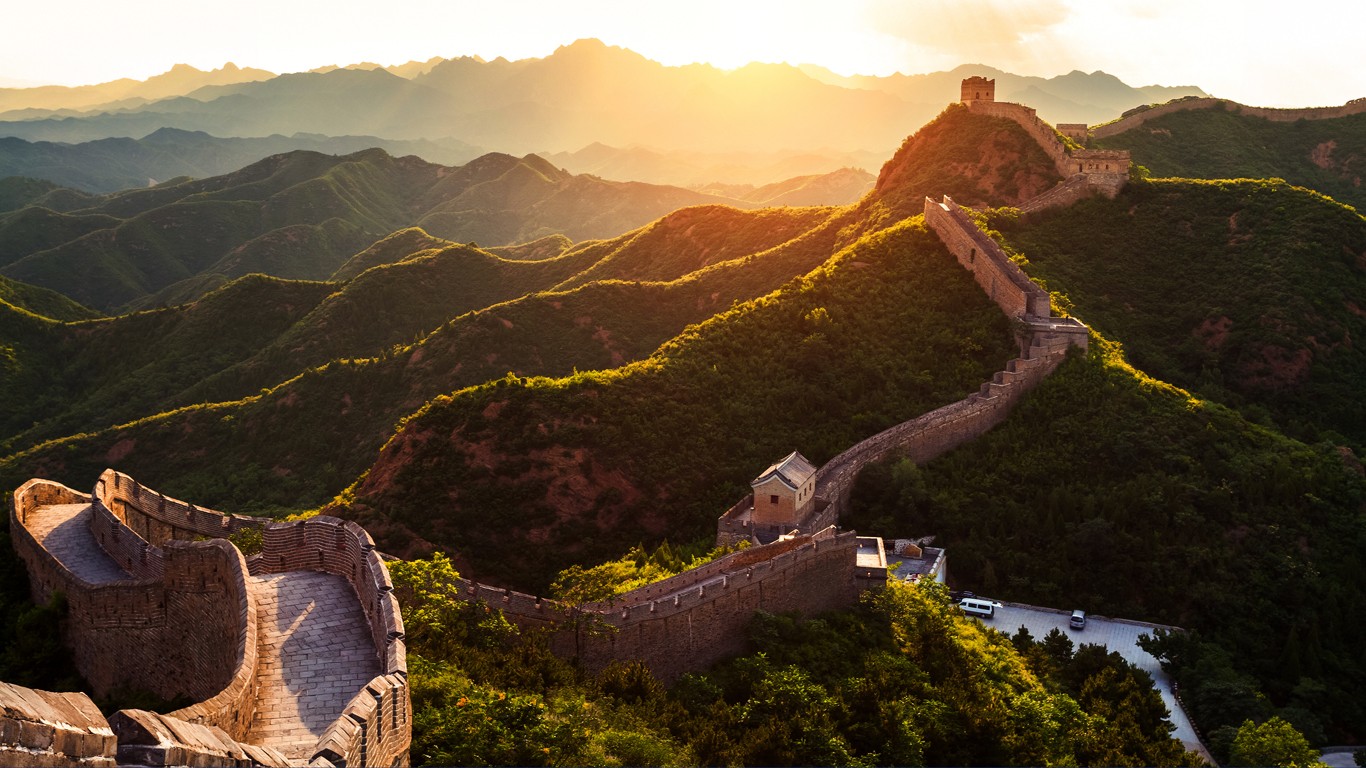
The town was served by eight main streets and 160 side streets together with large numbers of palaces (none of which survive) and an excellent drainage and sewage system using pentragonal clay pipes. On the excavation site, in addition to the remains of the town walls to the south-west, the visitor can still see a large mound of earth which is all that is left of the Han imperial residence, the Palace of Weiyang, around which countless legends have been woven. At one time the palace comprised more than 40 separate buildings, the main one being 183m/600ft long, 164ft wide and 12m/39ft high. During the Tang era (618-907) what is now Xi'an formed a part of Chang'an, which at that time was 37km/23 miles in circumference and had a population of a million or so. The town was divided into two parts. The inner embraced the northern district with the imperial palace and the southern with the seats of government and administration, while the outer part, lying to the east, west and south of the inner districts, was where the ordinary people lived. Its 25 main streets were lined with numerous markets, shops and workshops. Archaeological research indicates that the western section of the town wall was 2656m/2920yd long, the northern 1135m/1248yd and the eastern (divided into three sections) 2610m/2870yd. |