Book a tour
Contact Us
Welcome to China!
Top View Holiday Travel & Tours will be your best partner in China!
86-10-51299933(Beijing office)
86-21-36337009(Shanghai office)
 
Legendary Path along the Silk Road 15 Days
Tour Code:SR-3
Distination:Shanghai-Xi‘an-Dunhuang-Jiayuguan Pass-Turpan-Urumqi-Kashgar-Urumqi-Beijing
Departure Dates:Your Choose!
Attraction:Jade Buddha Temple, Yuyuan Garden, the Old Street, Oriental TV Tower , the Bund, Qin Terror-cotta Army Museum, Banpo Neolithic Village Museum, Shaanxi History Museum , Ancient City Wall, Mogao Grottoes, Crescent Spring , Sighing Sand Dune, Jiayuguan Pass, Jiayuguan Pass, Xuanbi Great Wall ,Mural-bearing Bricks Tomb, Grape Valley, Flaming Mountain, Bezeklik Caves , Astana Tombs, Jiaohe Ancient City, Karez Well, Tianchi Lake, Great Bazaar, Nanshan Pasture ,Etgar Mosque, Apakhoja Mausoleum , Kashgar Ancient Town, Tian‘anmen Square, Forbidden City, Great Wall ,Ming Tombs
Day 01
Arrive in Shanghai, your gateway city of China tour. Be met at the airport and transferred to your hotel.
Day 02
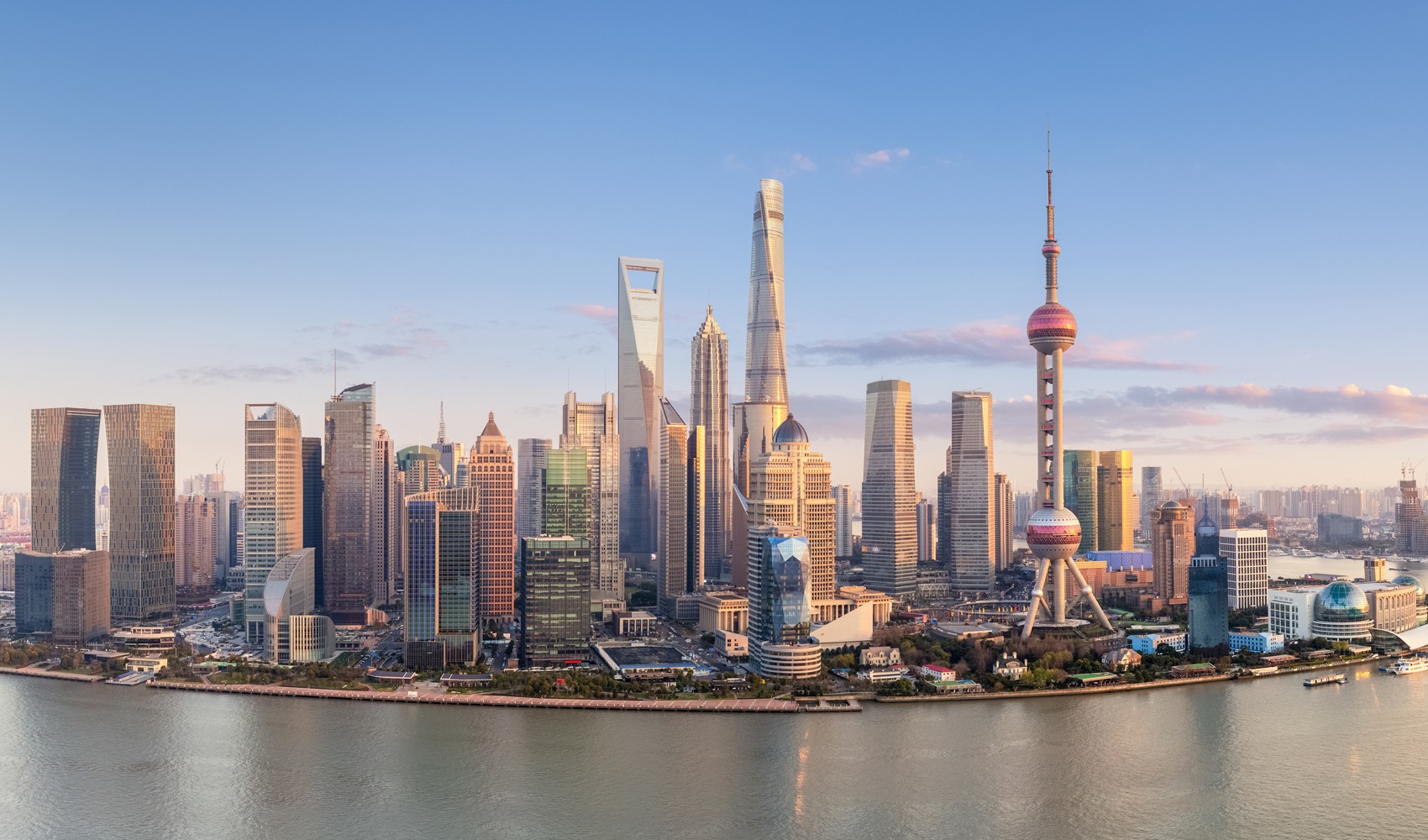
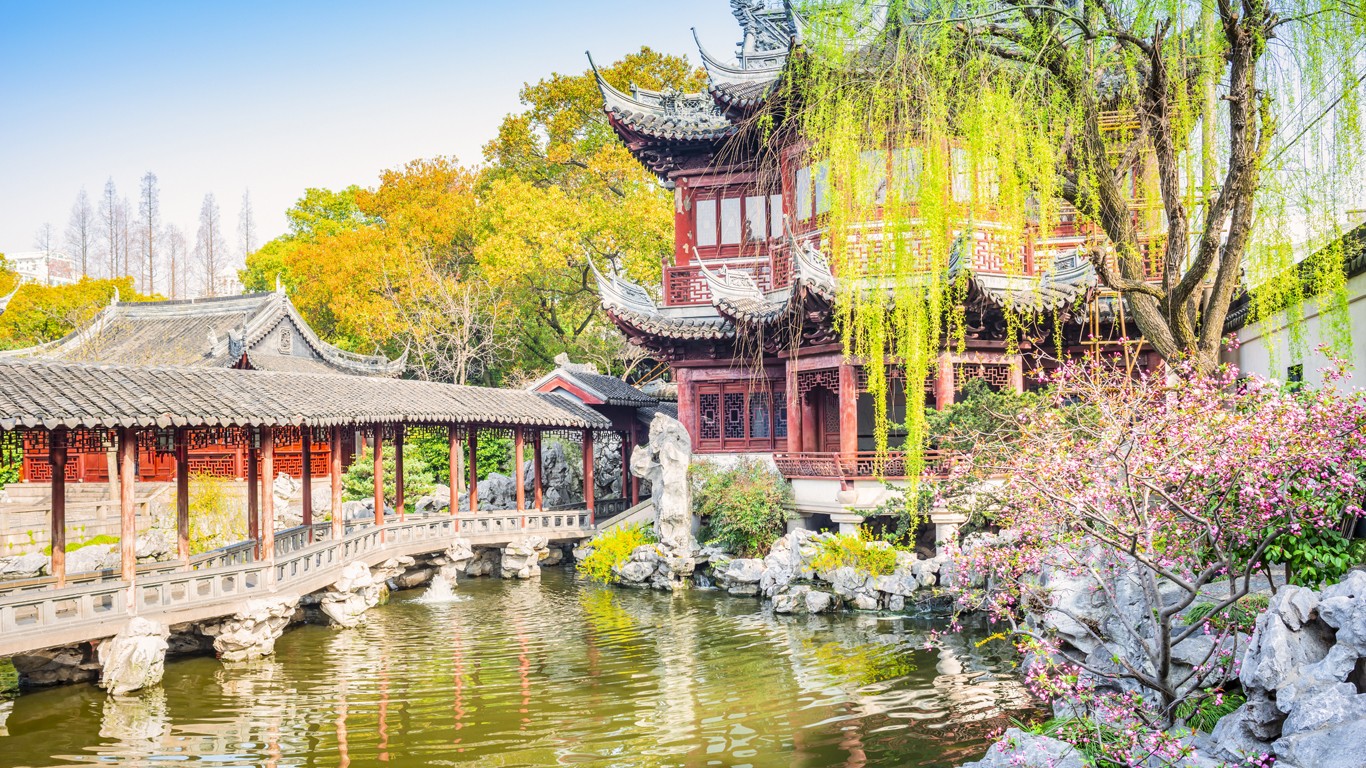
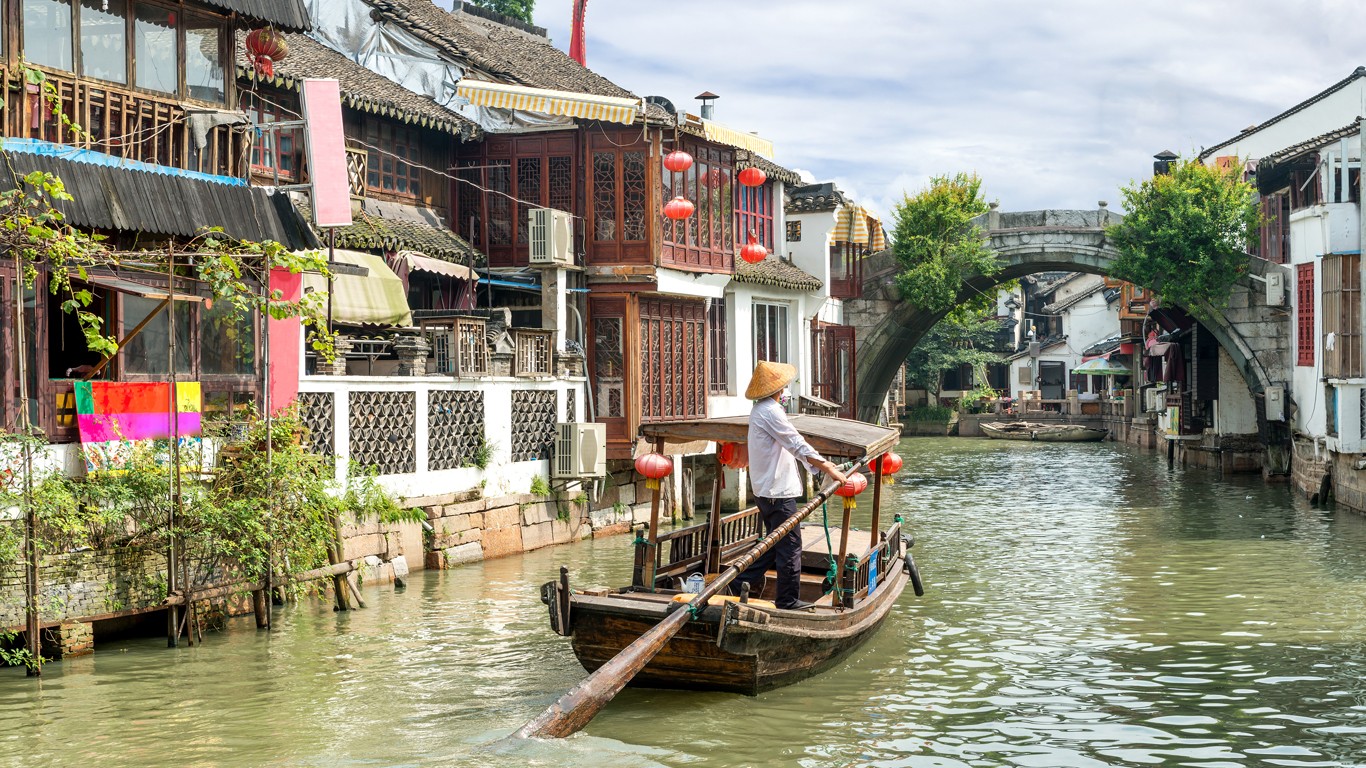
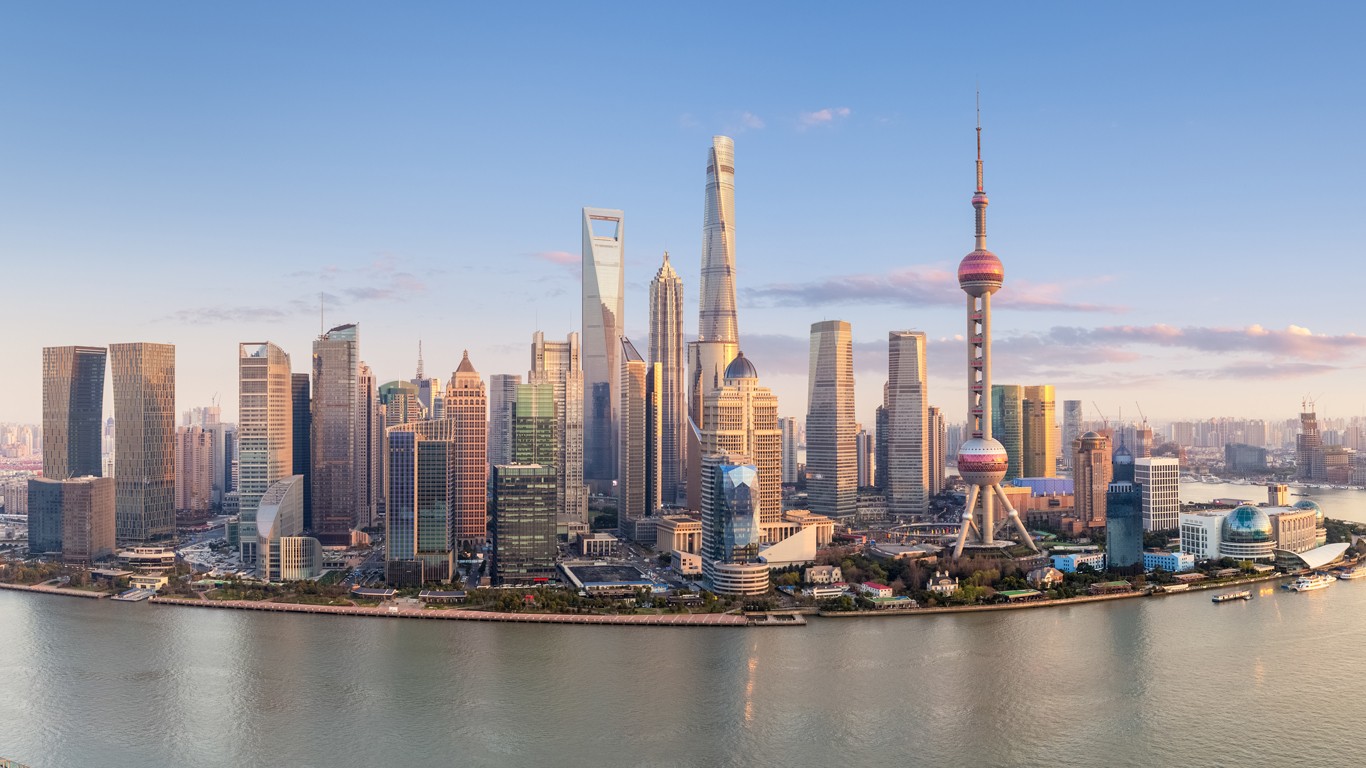
Today you'll find a Buddhism shrine - Jade Buddha Temple, located in a crowd of Shanghai City. It was first built in 1882 in Jiangwan on the southern outskirts of Shanghai. In order to make it convenient for the adherents to visit , it was bodily moved to Shanghai City at the present sire in 1918. It is named for its two bejeweled white jade Buddha. It receives thousands of visitors and worshipers everyday while keeps its sanctity and charming. Carved from a whole piece of white jade, the sitting jade Buddha statue is translucent with a solemn expression, displaying the excellent skill and extraordinary art of Chinese people. Yuyuan Garden has a lot of stories for it was severely damaged in the 19th century and was restored in 1961. This garden was first built in the 16th century by provincial governor, Pan Yunduan, in honor of his father who was the then government minister. It has many scenic courtyards decorated with baroque rockery, pools, and flora that are all connected by corrid ors and passageways. The delicate design and exquisite layout of the whole garden reveals a strong impression of 'garden in the garden, whole in the part.' Coming back from the nature, the shopping trip will begin in Nanjing Road which is starts at the Bund and runs westward, with People's Square in the middle. Renown for its bustling and modernization, Nanjing Road earns its reputation as the 'First Commercial Road in China', which is the good shopping heaven for your trip as the same as the Fifth Avenue in New York and Avenue des Champs-Elysées in Paris. Some of the traditional food and handicrafts of Shanghai can be found here. Then you come to the Bund, the showcase with the old buildings of colonial-era leftover along Huangpu River. The renowned waterfront district is the city's most famous landmark. The word BUND is of Anglo-India origin meaning embankment on the waterfront. It is also the popular site to enjoy the night view of the city.
Day 03
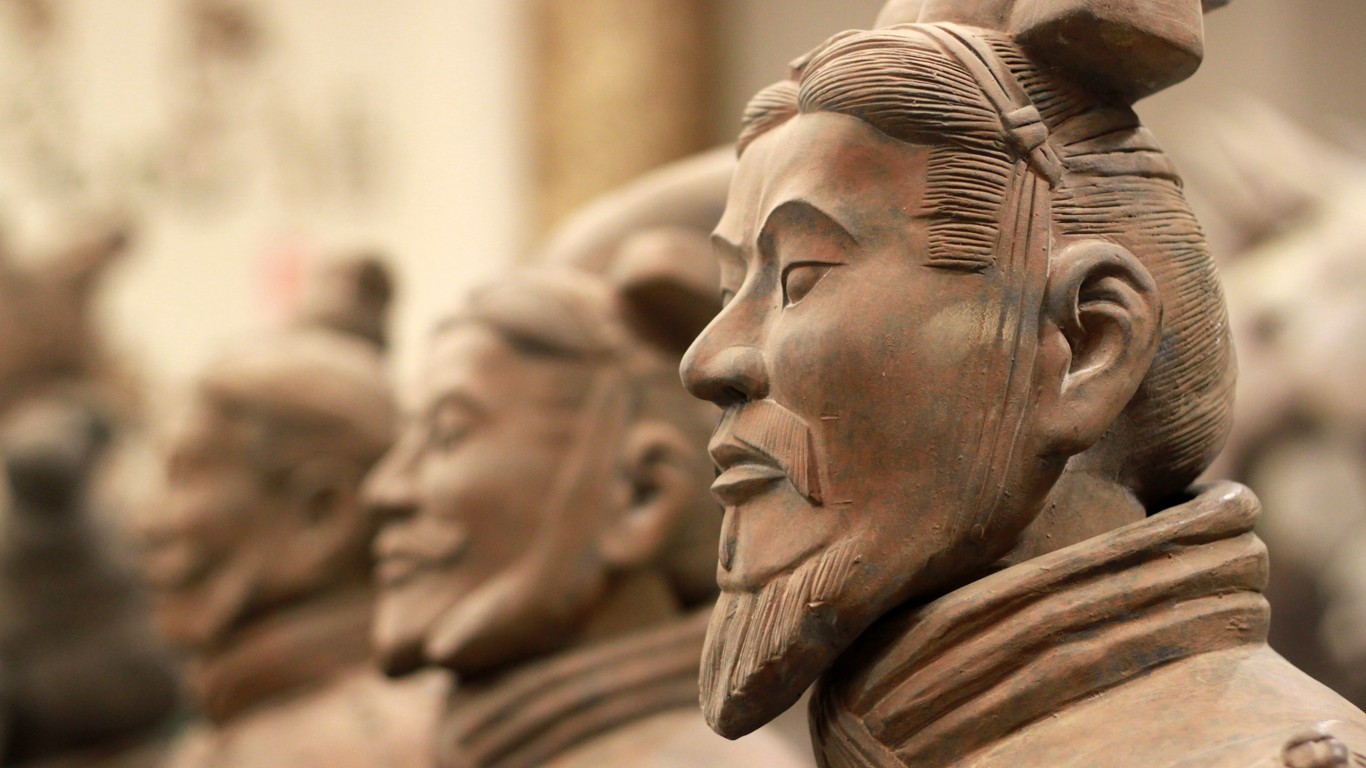
Ample time will be provided for the visits of those famous spots including the Qin Terror-cotta Army Museum, one of the world's most important archaeological finds with troops, horses and carriages in battle formation and Banpo Neolithic Village Museum. Either Jiaozi Banquet or Tang Dynasty Show with Dinner is available for your optional meal.
Day 04
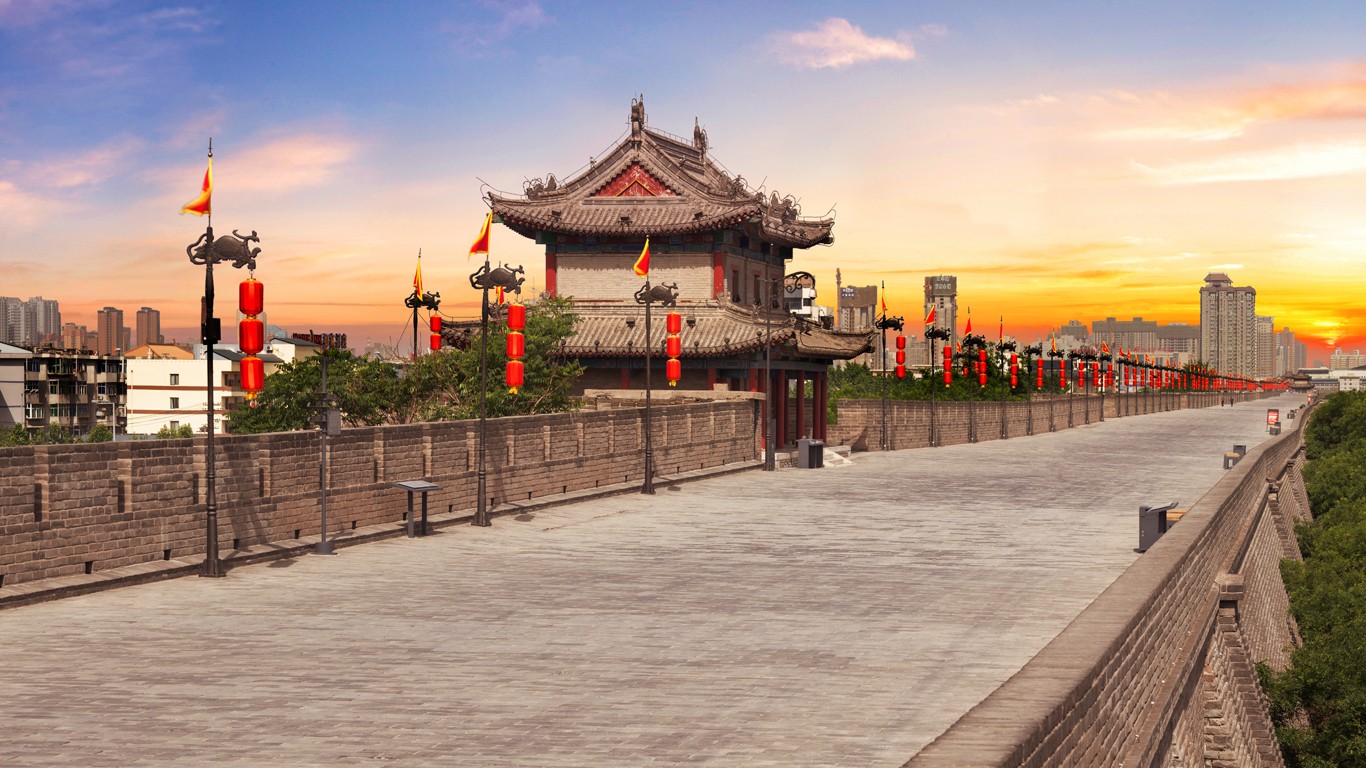
In the morning, you will visit the Shaanxi History Museum and Ancient City Wall, one of the oldest and best-preserved walls in China. Fly to Dunhuang in the afternoon. In the ancient city like Xi 'an, the museum should be an indispensable part of your visit. Shaanxi History Museum is a showcase of the civilization from Emperor Qin Shihuang to the present day. The museum is housed in a striking Tang Dynasty-style pavilion and features an enormous collection of 113,000 historic and cultural relics. You continue the trip to the nearby Ancient City Wall. It is the most complete city wall that has survived in China as well as one of the largest ancient military defensive systems in the world. Known as Shazhou in ancient times, Dunhuang was served as a rest stop for traders as the gateway through which Buddhism, Islam and Christianity entered China. Dunhuang is located at the western end of Hexi Corridor in Gansu Province in northwest of China. It is a small oasis surrounded by high mountain, deserts and the Gobi Desert with Dang River as the city's water supply. The city boasts 241 places of historic interests, and many of them are world-famous for its long history.
Day 05
Lying at the foot of Sighing Sands Dune and 25km southeast of Dunhuang City, Mogao Grottoes measures 1,680 meters from south to north. It has more than 700 caves, of which 492 caves hold more than 2,000 painted sculptures and 45,000 square meters of murals. There are five grottoes with a wooden structure. Mogao is the largest, oldest and the best-preserved Buddhist grottoes with the richest contents in the world today. Sighing Sand Dune starts from Mogao Grottoes in the east. It is 40km from east to west, and 20 from south and north. The dune with an elegant shape. When people slide down along the slopes, a sound will be heard, hence the name. Crescent Spring is surrounded by the sand dunes with the shape of crescent. It is a miracle that the spring has never dried up over the past thousand years.
Day 06
Jiayuguan Pass is the western terminus of the Great Wall, built more than 600 years ago. Its majestic and solid construction is so full of power and grandeur that it has been praised as ' Mighty Pass No.1 Under Heaven'. Unlike the Shanhaiguang Pass or the Juyongguagn Pass on the Great Wall, it nestles against Mt. Qilian and Gobi Desert and is therefore imposing in its own way. It was a strategic point at the western section of the Great Wall of Ming Dynasty and is the best preserved pass along the entire length of the wall. It is a magnificent castle, composed of an inner and an outer section, an enclosed gateway, a gate power, watch towers and parapets.
Day 07
Take a tour of Jiayuguan Pass, Xuanbi Great Wall and Mural-bearing Bricks Tomb and move forward to Turpan by an overnight soft-sleeper train.Xuanbi Great Wall is also a part of the Great wall. It got the name for its unique architecture construction. Looked in a far distance, it seems that Xuanbi Great Wall stands on a mountain about 150 meter above the ground.Located about 18km in the east of Jiayuguan Pass , Mural-bearing Bricks Tomb owns over 1,000 tombs of Wei and Jing Dynasties. Inside these tombs, you will find many brick-pictures of ancient life created by ancient people. As a result, Mural-bearing Bricks Tomb is also well known as a ' Underground Gallery'.Turpan, an oasis city, is located at the south foot of Bogda Peak and the center of Turpan Depression. Because of the drastic 5,000-meter difference in height between the mountain tops and the bottom of the depression, the scenery too, varies greatly at different altitudes from perpetual snow at the summits to green oasis at the foot of the mountains.
Day 08
Depart from hotel in the morning to have a full-day excursion including Gaochang Ancient City-once an important garrison town on the Silk Road, Grape Valley-an area filled with juicy sweet green grapes in Flaming Mountain, Bezeklik Caves and Astana Tombs. Uygur Ethnic Minority Dance Show is available as your optional night show.
Day 09
Today visit the mysterious death city- Jiaohe Ancient City, which reveals traces of a prosperous ancient trading center and military stronghold at 1,600 years ago, used to be the most frontal barrier at the west for the dynasties. Known as the underground Great Wall of China, Karez Well is the unique cultural heritage of Xinjiang. The total length of the underground channel of Karez in Xinjiang amounts to 5,000 meters. Karez was once served as the irrigation system in the ancient times. It was built against the slope of the mountains to avoid to hot and dry weather as well as the wind.
Day 10
In the morning drive to visit dream-like Tianchi Lake (Heavenly Lake) at an elevation. Cruiser and spot shuttle bus are available in the scenic area. Return to city to explore open-air Great Bazaar in Er Daoqiao Market.
Tianchi Lake is located at the half way of Bogda Peak in Fukang County, 110km east of Urumqi City. As a natural alpine lake, it has an elevation of 1,980 meters. In the shape of a half moon, the lake is 3,400 meters long, about 1,500 meters wide, and 105 meters at the deepest point. With limpid water, the lake shines like a sapphire under the sun and is surrounded by green mountains. To the southeast of the lake is the magnificent Bogda Peak with its meaning of the sacred mountain in Mongolian language.
Enjoy yourself in the largest Uigur bazaar in Er Daoqiao Market suited at the Er Daoqiao Block of the South Jie Fang Road in Urumqi, where you'll find a bustling market filled with fruit, clothing, crafts, knives, carpets and so on. The market has special room for grand entertainment performance and the folk street is furnished with the miniature landscape of Xinjiang's tourist scenic spots so that you might get a whole view of natural sights and human landscapes while appreciating ethnic song and dances.
Day 11
Visit Nanshan Pasture to relax yourself in the vast green land in the morning before driving to the airport for the flight to Kashgar, then be transferred to the hotel to catch up on some rest. Hemmed in by deserts and the Pamirs, Kashgar is a fabled city embracing a rich mixed culture with Mosques and veiled women contributing to its Middle East atmosphere.
Day 12
Visit Etgar Mosque and Apakhoja Mausoleum in the morning. Etgar Mosque is the biggest mosque in Xinjiang and even China nowadays, covering a land area of 16,800 square meters. The mosque stands on the west of the Etgar Square, facing the center of Kashgar City. Apakhoja Mausoleum stands about 5 km east of Kashgar City. The height of main structure for the mausoleum is 26 meters, whose roof looks like a dome with the diameter of 17 meters and without beams to support. The legend goes that a lady called Yiparhan of Hojia's descendants was once an imperial concubine of Qianlong Emperor. She was commonly-known as a ' Fragrant Concubine'. Therefore the structure is also called 'Fragrant Concubine Tomb' by the locals. Continue your visit to Kashgar Ancient Town in the afternoon. The ancient town will bring you thousand years after back to a paramilitary age.
Day 13
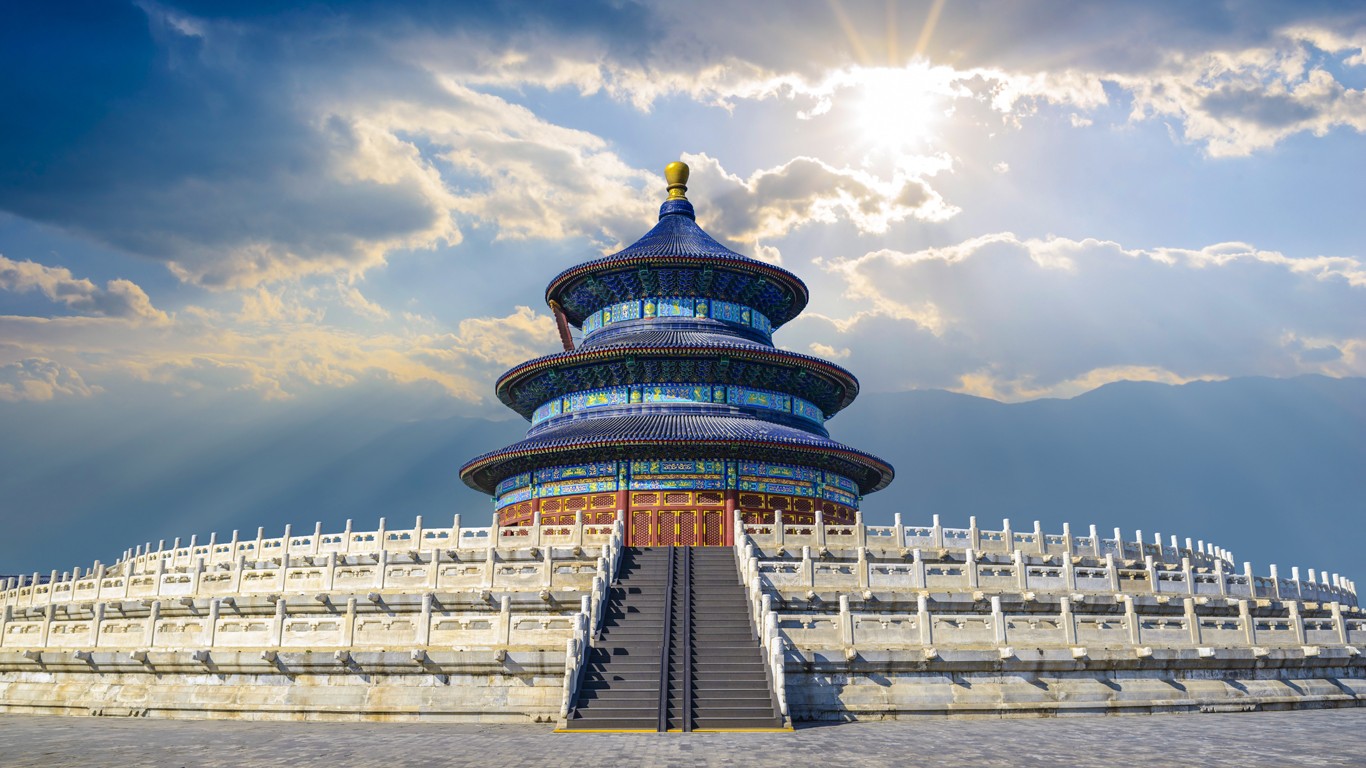
As the biggest public square in the world, Tian’anmen Square conquers you with its grandeur at the first sight. You are quite glad to begin your first-day tour here. Then you are leaded to Forbidden City. It is the imperial palace for 24 emperors during Ming and Qing Dynasties and the biggest ancient architecture complex in the world. You walk in the museum to see with your eyes, to touch with your hands and fell with your hearts. Thanks to this wonderful visiting, you know how the richest feudal country was and how the top rulers and their concubines lived. After enjoyed a nice Chinese lunch , you continue your trip to Temple of Heaven. Different from the red and golden in the Forbidden City, the Temple of Heave is based on a color of blue, which stands the color of sky. You feel the perfect harmony between the architecture and nature and a circle and peace spirit of Chinese people. You even could imagine the vivid pictures of a great sacrifice to the Heaven for good harvest through the description of local guide.
Day 14
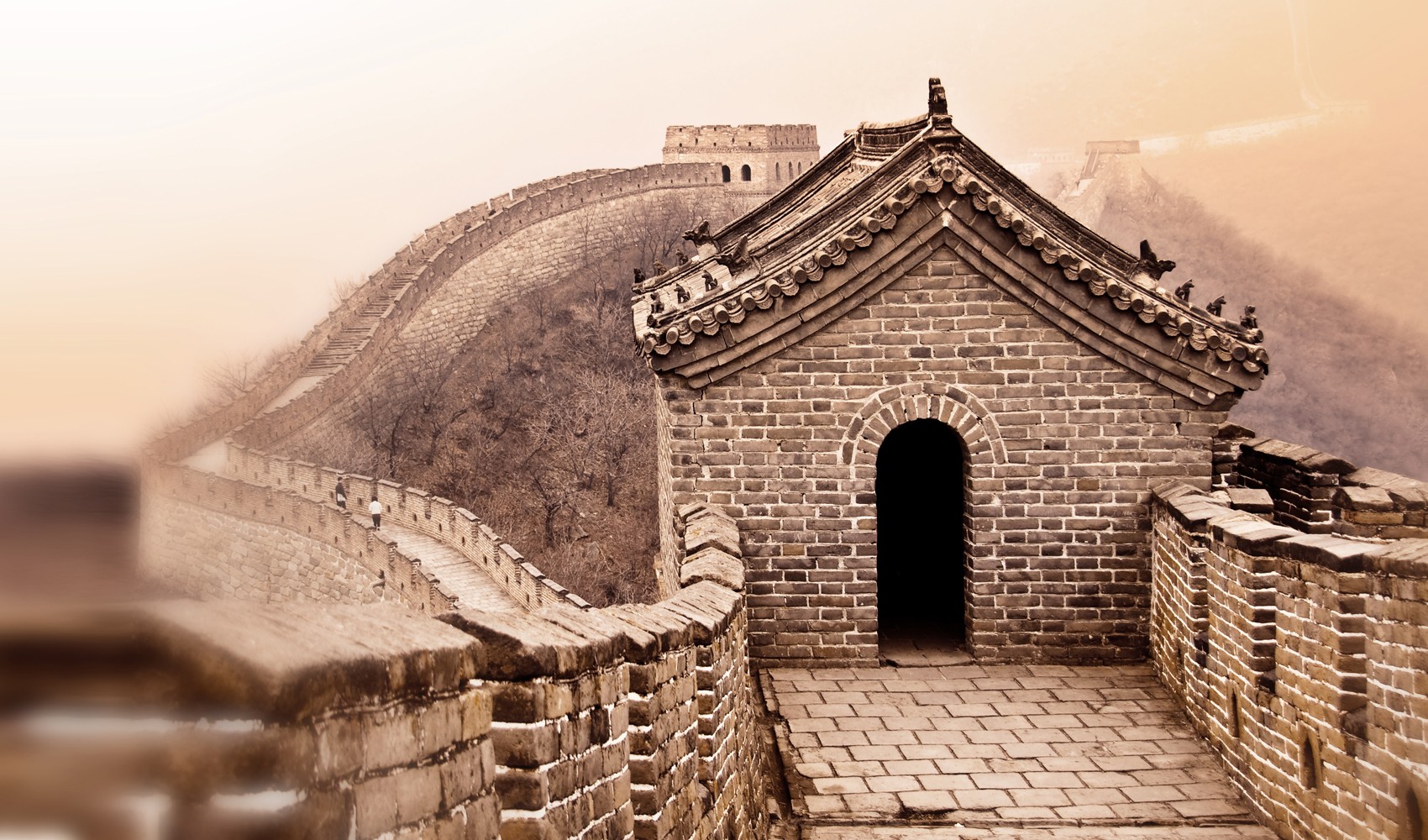
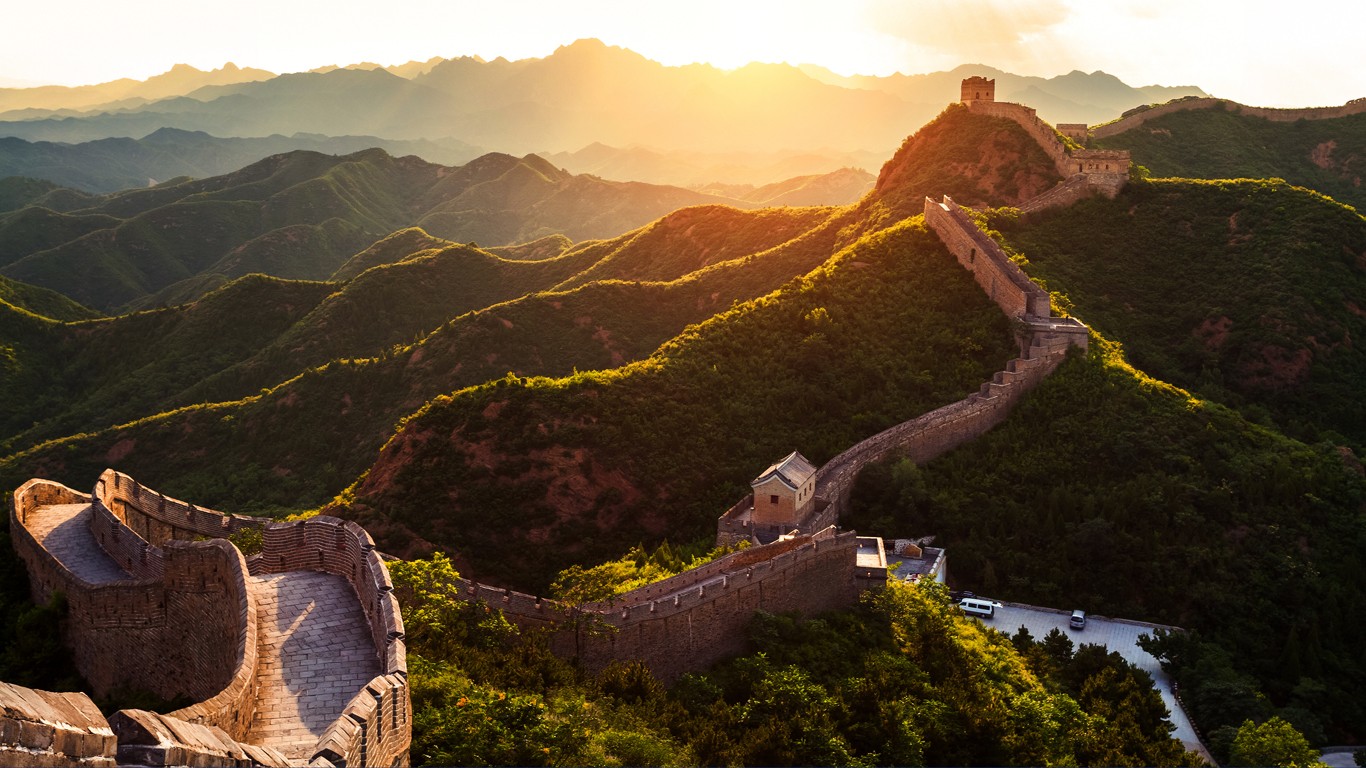
The Great Wall (Badaling Section) is located in the suburb 75km northwest of Beijing. The highway from Beijing to the Great Wall is smooth and comfortable. The Great Wall is the symbol of China and the wisdom of Chinese people. It is very unbelievable that Chinese succeeded in building such a great architecture with simple tools in ancient time. The construction of the Great Wall began in the 5th century BC. The wall has a total length of 6,700km, traveling up and down over numerous mountains and valleys. Starting in the east at Shanhaiguan Pass, it crosses Hebei Province, Beijing, Shanxi Province, Inner Mongolia, Ningxia Hui Autonomous Region, Shaanxi Province, and ending up in Jiayuguan at Gansu Province. It is said the Great Wall is the only man-made project which is visible from the moon. Badaling Section is one of the best preserved and most accessible parts with the essence of the whole Great Wall. The Ming Tombs are located in the northern suburbs of Beijing, consisting of 13 tombs of the emperors of the Ming Dynasty after the capital was moved from Nanjing to Beijing. Now there are only two tombs, Changling and Dingling, open to the visitors. The Lingsi Palace in Changling Tomb's second yard as really deserves a visit. This is unique as it is the only huge palace made of camphor wood. The ceiling is colorfully painted and supported by sixteen solid camphor posts. The floor is decorated with gold bricks.
Day 15
Be transferred to the airport for homebound flight as the trip ends.
About Us | Contact Us | Site Map | F.A.Q
Copyright©China Top Tours.com All Rights Reseved