|
China Tours
Online
Book a tour
![]() Contact Us
Welcome to China!
Top View Holiday Travel & Tours will be your best partner in China!
|
![]() Tour Code:CNTVH-DUI-X
Distination:Shanghai-Xitang-Shanghai-Haining-Hangzhou-Shanghai
Departure Dates:1st Jan 2010-31st Mar 2011
Price:849USD/P Starting from
Attraction:Jade Buddha Temple, Yuyuan Garden, the Old Street, Oriental TV Tower and the Bund, West Lake, Lingyin Temple, Six Harmonies Pagoda
Day 01 (18 Jul) Arrival, Shanghai
Arrive in Shanghai, your gateway city of this tour. Be met at the airport and transferred to your hotel for a good rest.
Day 02 (19 Jul) Shanghai (B/L)
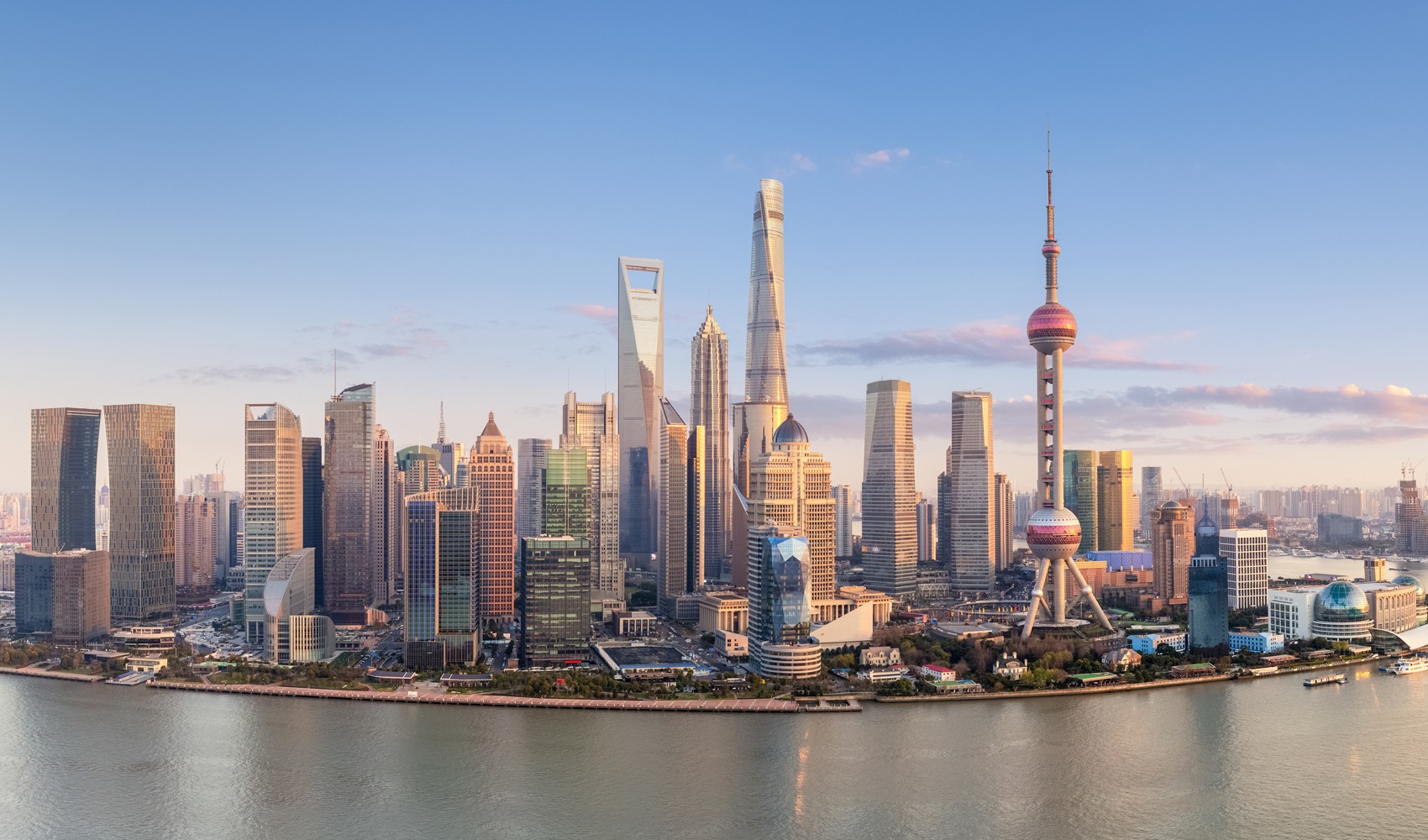
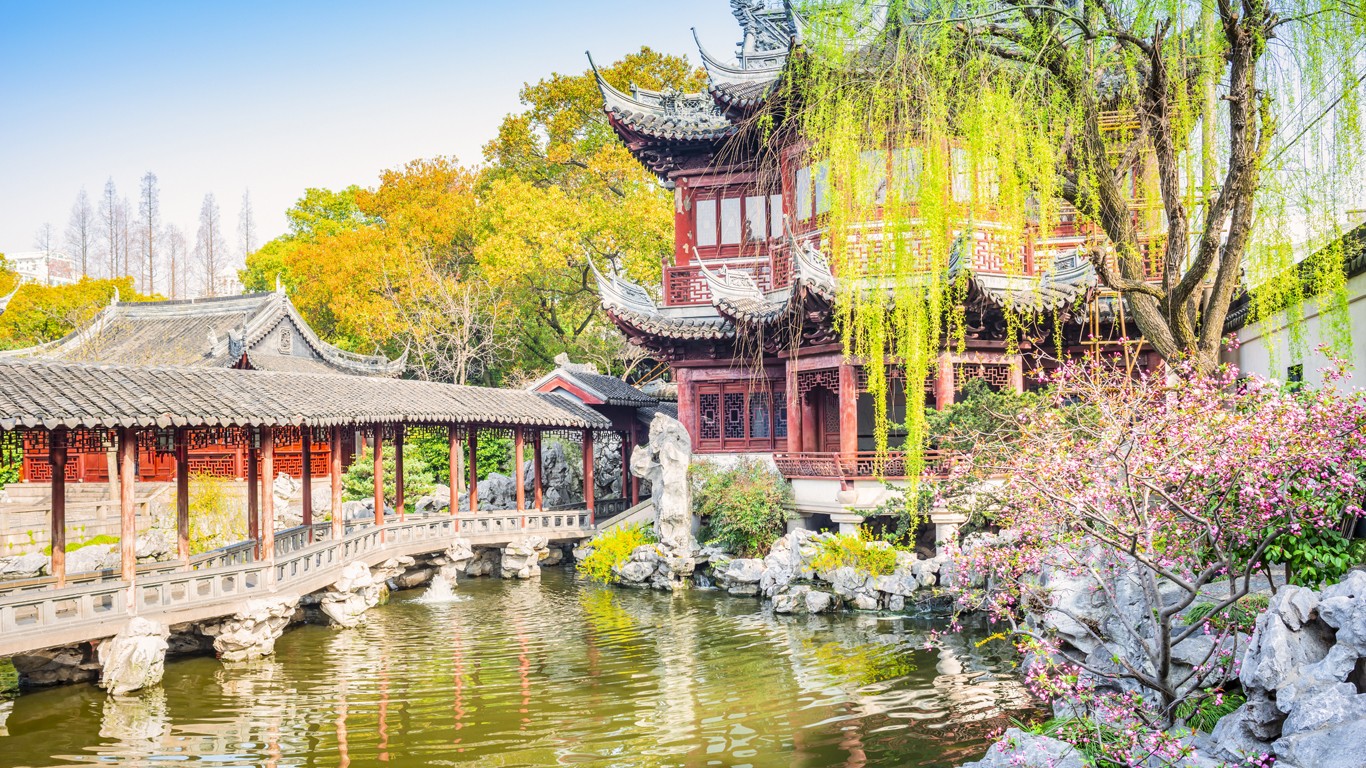
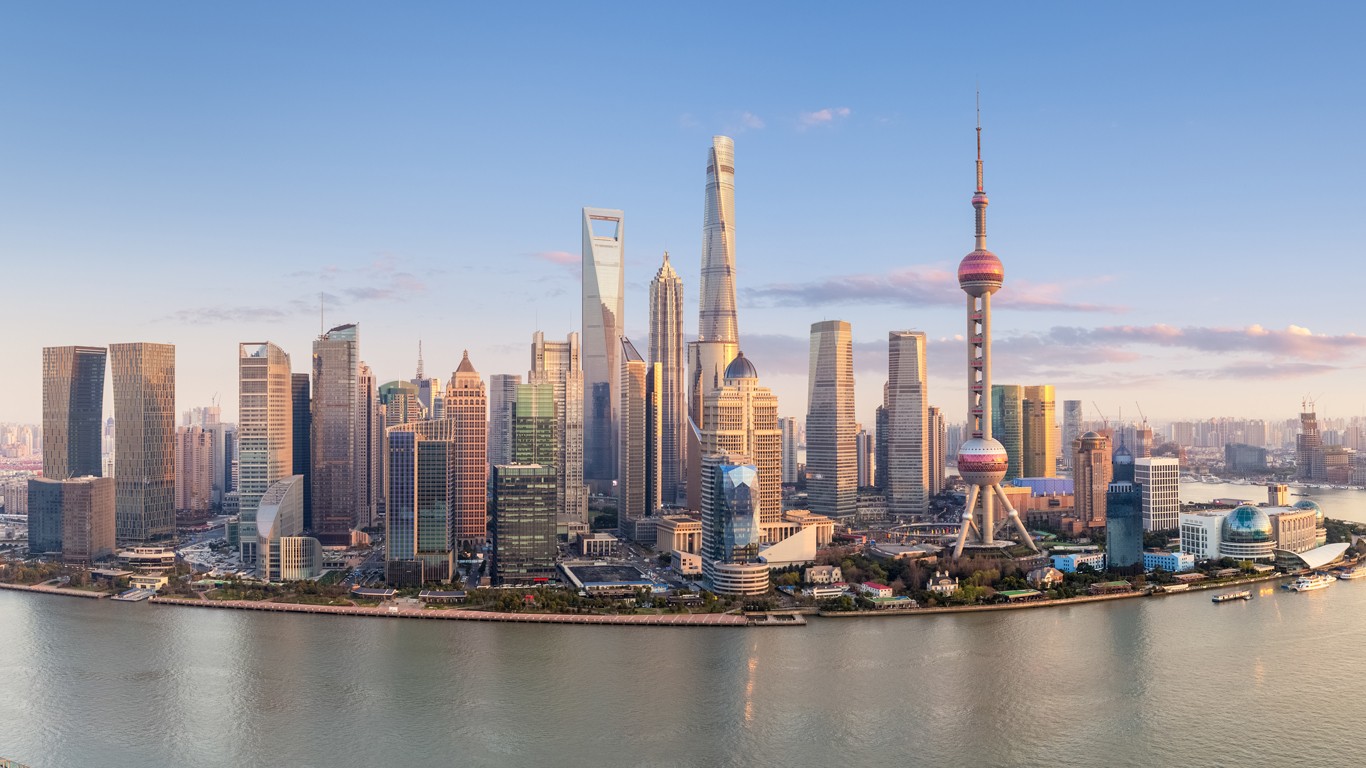
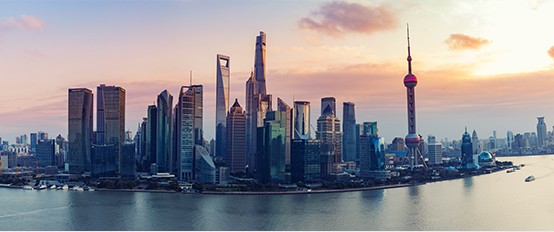
Today you'll find a Buddhism shrine - Jade Buddha Temple, located in a crowd of Shanghai City. It was first built in 1882 in Jiangwan on the southern outskirts of Shanghai. In order to make it convenient for the adherents to visit , it was bodily moved to Shanghai City at the present sire in 1918. It is named for its two bejeweled white jade Buddha. It receives thousands of visitors and worshipers everyday while keeps its sanctity and charming. Carved from a whole piece of white jade, the sitting jade Buddha statue is translucent with a solemn expression, displaying the excellent skill and extraordinary art of Chinese people. Yuyuan Garden has a lot of stories for it was severely damaged in the 19 th century and was restored in 1961. This garden was first built in the 16th century by provincial governor, Pan Yunduan, in honor of his father who was the then government minister. It has many scenic courtyards decorated with baroque rockery, pools, and flora that are all connected by corridors and passageways. The delicate design and exquisite layout of the whole garden reveals a strong impression of 'garden in the garden, whole in the part.' Coming back from the nature, the shopping trip will begin in Nanjing Road which is starts at the Bund and runs westward, with People's Square in the middle. Renown for its bustling and modernization, Nanjing Road earns its reputation as the 'First Commercial Road in China', which is the good shopping heaven for your trip as the same as the Fifth Avenue in New York and Avenue des Champs-Elysées in Paris. Some of the traditional food and handicrafts of Shanghai can be found here. Then it comes to the Bund, the showcase with the old buildings of colonial-era leftover along Huangpu River. The renowned waterfront district is the city's most famous landmark. The word BUND is of Anglo-India origin meaning embankment on the waterfront. It is also the popular site to enjoy the night view of the city. Standing at Pudong New Area at the east side of Huangpu River, Oriental TV Tower was completed on October 1 1994. The tower has a height of 468 meters. With multi-functions of sightseeing, catering, shopping, amusement and accommodations, this tower has become the symbol of the city and a popular tourist attraction in Shanghai. Day 03 (20 Jul) Shanghai -- Xitang -- Shanghai(B/L/D)
Rise early in the morning and drive to Xitang, small watertown near Shanghai. Upon arrival, take a half-day visit of the town. Be transferred back to Shanghai in the late afternoon.
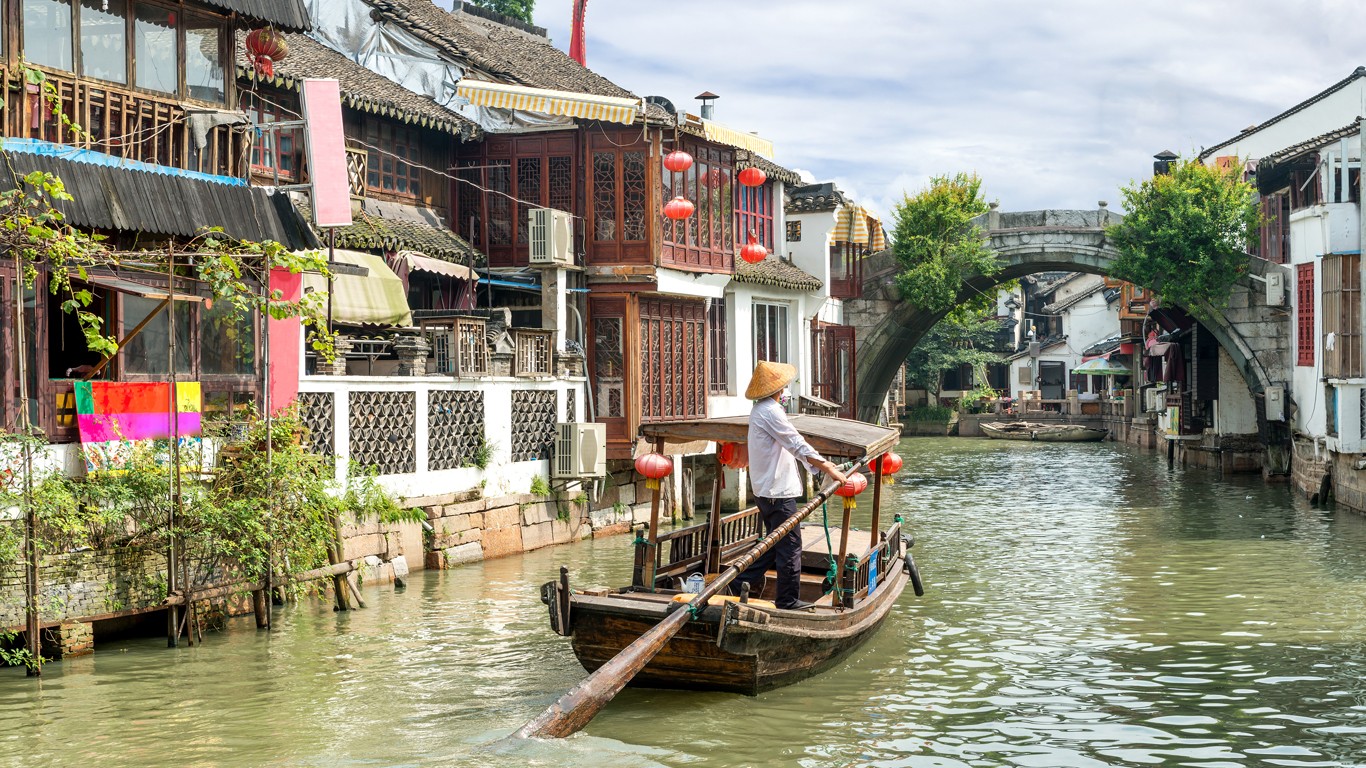
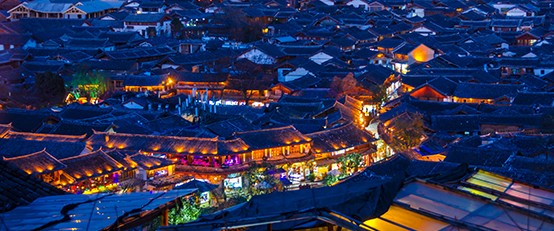
Xitang, once called Xietang or Pingcuan, is a typical water town in the south China. The town is located in the joint part of Jiangsu Province, Zhejiang Province and Shanghai. It is 90 kilometers away from Shanghai. We'll drive along G320 Highway or Shanghai-Hangzhou-Ningbo Highway to Jiashan then to Xitang, which will take about 2 hours. Xitang lies in the Hangzhou-Jiaxing-Huzhou Plain with flat terrain and crossed rivers. In Tang and Song Dynasties, it was a village and in Yuan Dynasty it was given the name of Xietang and became a town in Ming Dynasty. There is 250,000 square meters of well-preserved Ming and Qing Dynasties complex which is seldom in China speaking of the scale and integrity. The street and the houses were built at the side of the rivers. There are 27 old bridges, 122 small lanes and 1000-meter-long corridor in one square kilometer old town area. Ceiling corridors are the most special scene in xitang construction. These corridors were originally built to make convenience for the residents trading on boats by the side of the rivers. Each shop has a ceiling over the stone-slate road in front of its own house, and the ceilings connect with one another to form corridors. The longest ceiling stretches 1,300 meters, like a silk belt winding along the river. Now the town has been in the preliminary name list of World Culture Heritage. Day 04 (21 Jul) Shanghai -- Hangzhou(B/L/D)
Take a visit to Shanghai Museum in the morning. Be transferred to the railway station for the train to Hangzhou. Stay overnight at Hangzhou.
As a museum of ancient Chinese art, Shanghai Museum possesses a collection of 120,000 precious works of art. Its rich and high-quality collection of ancient Chinese bronze, ceramics, painting and calligraphy is specially celebrated in the world.According to the expert from IAU, the globally best observing point will be the cities around Anji in Zhejiang Province. You are in Hangzhou for tomorrow's observation. The bullet train from Shanghai to Hangzhou won't take long, and you'll be transferred to Hangzhou within two hours.
Day 05 (22 Jul) Hangzhou--Hanning--Hangzhou (B/L)
Observation in the morning in Haining and be transferred to Hangzhou after lunch. Check into the hotel upon arriving at Hangzhou.
Hangzhou, the capital of Zhejiang Province, is located by the Qiantang River at the Southern end of the Grand Canal. As Macro Polo once said, it is the most beautiful and elegant city in the world. For centuries, the city has been a famous and ideal place attracting crowd of artists and poets coming for seeking inspiration, while riches and retired officials moving here for comfortable life. The 22nd of July is the total solar eclipse. You will be viewing the eclipse from Qiantang River Tidal Bore viewing area which will give you totality of 5 minutes 40 seconds. The Qiantang River Tidal Bore is about an hours drive from you are staying in Hangzhou. After finished the solar eclipse, you also will have a chance to see the famous Qiantang River tidal causing by the solar eclipse. Day 06 (23 Jul) Hangzhou (B/L)
You will believe that what made Hangzhou so famous is the West Lake since you can not say a proper word to describe the beauty of West Lake at the first sight. The picturesque lake deserves its fame with ten scenic views adding natural beauty to the unique cultural value of the environment. This lake was originally a shallow bay where the Qiantang River met the sea. It is surrounded on three sides by mountains and on the fourth by the city. In whose western region it now sits, hence the name 'West Lake'. If you desire, you would board a boat to some islands in the lake. One called Small Yingzhou Islet built in 1607, will impresses you. The concept of this island is: 'an island within the lake and a lake within an island'. The layout of the whole island is quite impressive and reflected a huge amount of planning and forethought by those who constructed it. Just off the southern shore of this island are three gourd-shaped pagodas. Each is about two meters high, erected since 1621. Each pagoda has five round holes in it and when lit candles are placed into each pagoda, the light from these candles together with the moonlight reflecting off the water give rise to the naming of this feature as 'Three Pools Mirroring the Moon'. Next move to Lingyin Temple, truly a spot to behold. It is said that in 326 A.D. a monk named Hui Li came to Hangzhou for the sake of finding an ideal valley for a soul retreat. He built a temple there, naming it the 'Monastery of the Soul's Retreat'. The Chinese word for soul is 'ling' and retreat is 'yin', therefore the monastery came to be known as Ling Yin Temple. In one of the temples you see China's largest sitting statue of Buddha. Carved out of 24 pieces of camphor wood and gilded with 104 ounces of gold, it measures an impressive 19.6 meters high. After lunch the Six Harmonies Pagoda is waiting for you. It is one of the most prominent wood-and-brick structures of ancient China. The name of the pagoda relates to the six codes of Buddhism. Moreover, Huqingyu's Traditional Pharmacy will display the essence of Chinese traditional Medicine. Day 07 07 (24 Jul) Hangzhou- -Shanghai(B)
Bullet train back to Shanghai after breakfast.
Day 08 (25 Jul) Departure, Shanghai (B)
Be transfer to the airport for the return flight as the unforgettable eclipse trip ends.
tag:
|