Xi'an
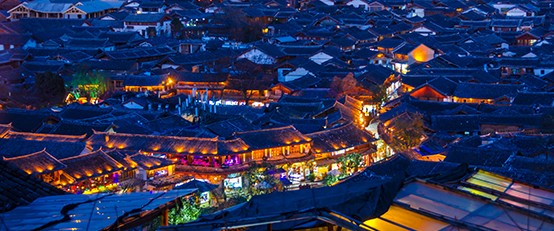
Xi'an , known as Chang'an in ancient times, is the capital of Shaanxi Province . Xi'an is one of the famous historical and cultural cities in China . With a history of over 3,100 years, Xi'an ranks first in the seven ancient capitals in China and is known as one of the four major capitals with ancient civilization in the world together with Ancient Rome, Athens and Cairo . Xi'an is rich in tourism resources and embraces 98 historical monuments and cultural relics, more than 4,000 ancient ruins, mausoleums and tombs, and 120,000 unearthed cultural relics under city protection. The terra-cotta warriors, horses and bronze chariots of the First Emperor of the Qin Dynasty (221-207 B.C.) made a sensation at home and abroad.
The Terracotta Warriors
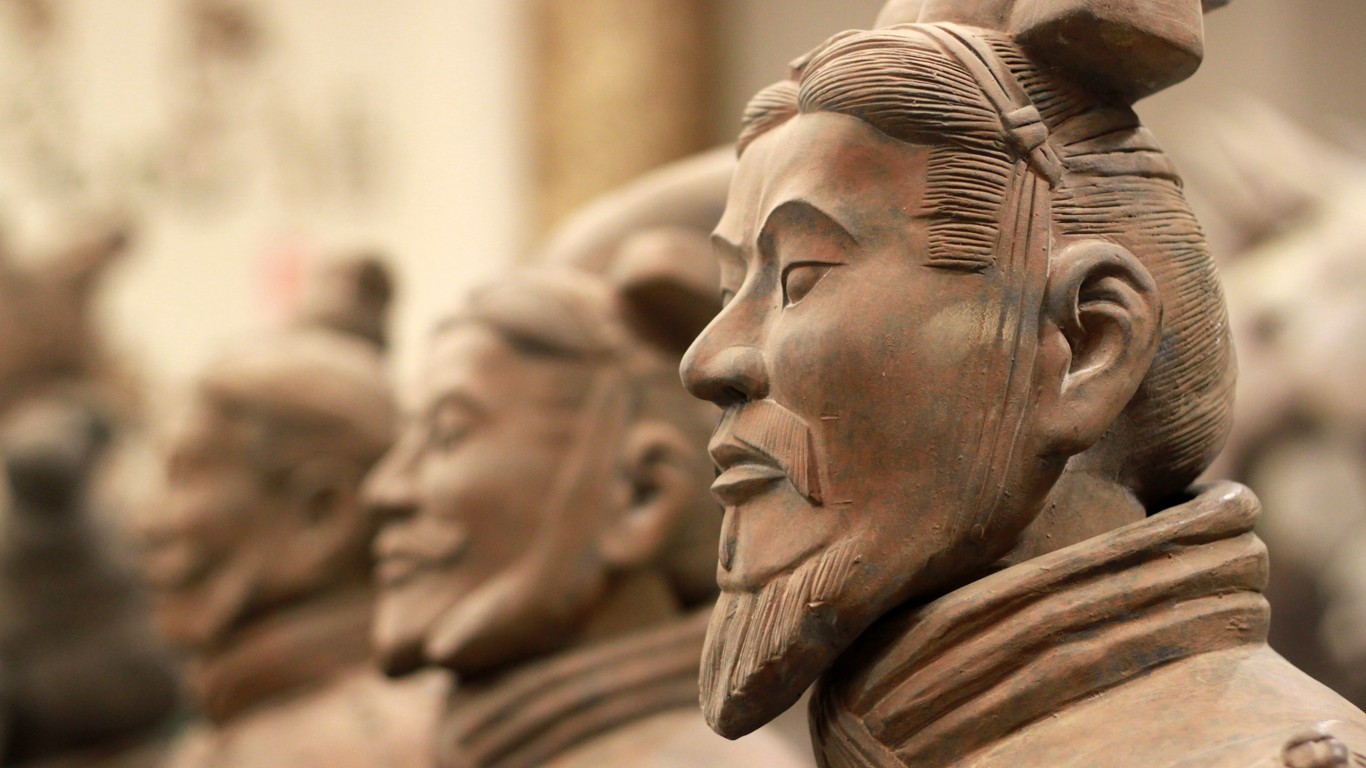
Arguably one of China 's most famous and popular tourist sites, the Terracotta Warriors ( bingmayong ) are among the top archaeological excavations of the 20th Century. The warriors have made Xian the biggest tourist destination today and the wealth in this city owes much to their discovery. This incredible collection of 6,000 men and their horses was actually discovered completely by accident by a group of peasants in 1974 who were digging a well! In a bizarre twist, the man who supposedly discovered them now sits in a hall at the site signing postcards of the stone army.The warriors are over 2,000 years old and were originally constructed to protect the tomb of the Emperor Qin Shi Huang. The Warriors are now housed in a huge airplane hangar and despite their fame and the throngs of tourists visiting the site, they are still incredibly impressive. These life size warriors stand on guard as if preparing for battle. Historians believe that these magnificent men were originally painted. The paint has now worn and the original bronze age weapons (including swords, arrows and lances) that many of the soldiers carried only a few years ago, are now locked up away from public eyes. Although there are 6,000 of the statues remaining, there were actually many more when the tomb was first built. |
![]() |
![]() |
|
The Terracotta Warriors |
Hua Shan
At a height of 2,160 meters above sea level and about 120km /3hours east of Xi'an , Huashan, literally translated as Flower Mountain , is a sight for sore eyes. The mountain has for centuries been deemed as one of China 's five sacred mountains ( Wu ye ), along with one Hengshan to the northeast, Songshan and Taishan to the east and another Hengshan to the southeast. Huashan, also known as the Western Mountain ( Xi yue ) due to its geographical location in relation to the others, is famed as the most precipitous of the five. Along the 12km path leading from the foot of the mountain, where it starts at the Jade Fountain Temple ( Yuchuan si ), to its five peaks, you will get the chance to see some impressive scenes, including the strangely shaped granite peaks and the twisted pines, that make up this. |
![]() |
Hua Shan |
Emperor Qin Shihuang' s Tomb
|
The museum is located 1.5 kilometers east of the Mausoleum of the First Emperor Qin Shihuang. The emperor's terra cotta army was found in three underground timber lined vaults. Pit 1 contained chariots and ranks of six thousand soldiers. Pit 2 held fourteen hundred figures of cavalrymen, horses and infantrymen, along with ninety wooden chariots. Pit 3 contained about seventy figures. Excavating them has been a massive undertaking. To date, more than a thousand warriors have been reassembled. |
![]() |
Emperor Qin Shihuang' s Tomb |
The Greater Wild Goose Pagoda
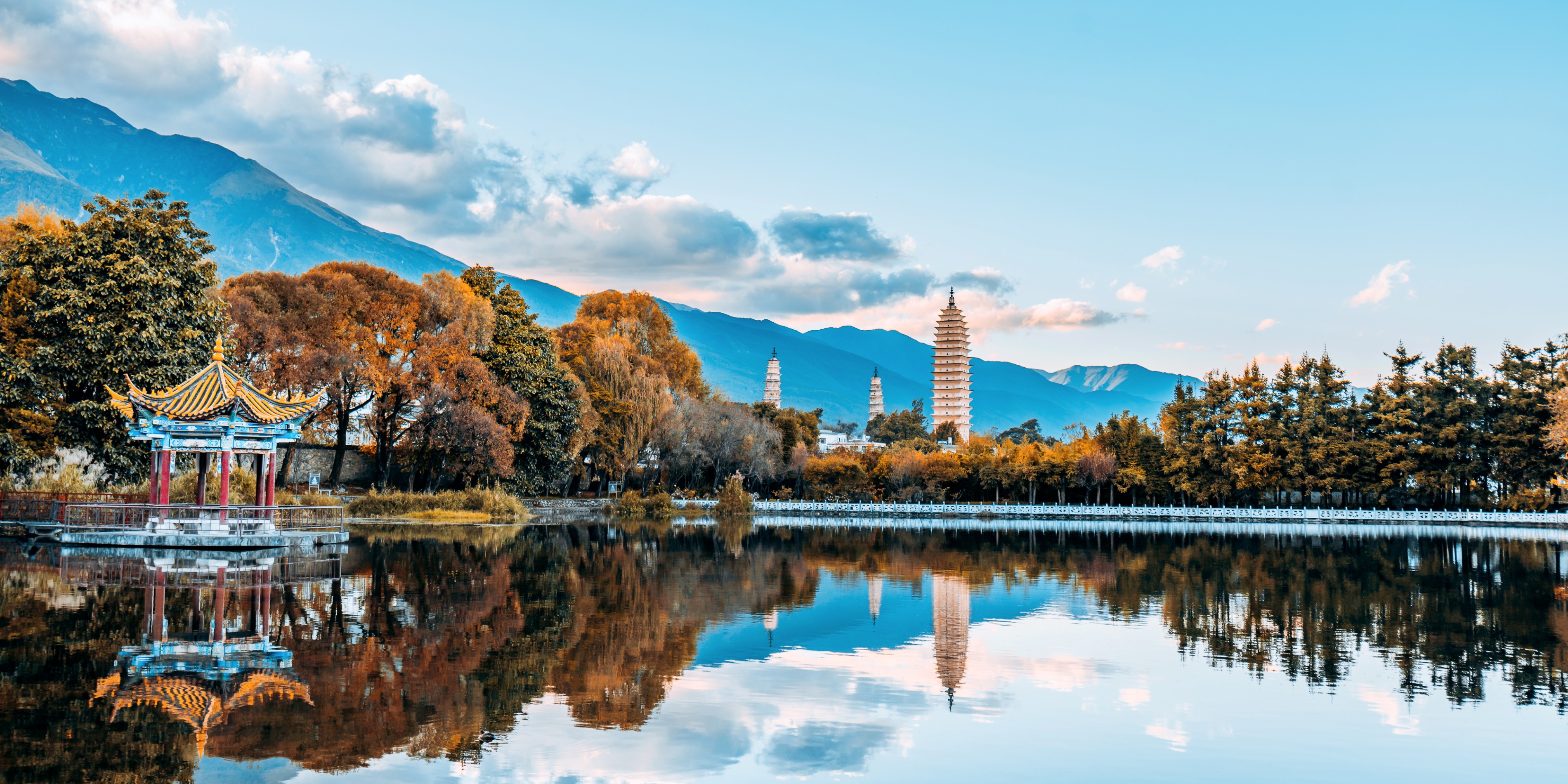
The Large Wild Goose Pagoda ( dayanta ) is located within the premises of the Temple of Great Maternal Grace (Dacien Si) . This magnificent pagoda is four kilometers south of Xi'an and many regard it as a symbol of the city. The pagoda, built in 652 A .D, is a square pyramid and stands at 60 meters high and seven storeys tall.
Legend has it that the Temple was built by Emperor Tang Gaozong to honor his mother, Empress Wende. The Temple is also said to have been built to house and protect Buddhist scriptures collected in India by the Chinese monk, Xuan Zang. |
|
The Greater Wild Goose Pagoda |
Huaqing Hot Springs
Huaqing Hot Spring( huaqing chi )is situated 30 kilometers east of Xian at the foot of the Lishan Hills. The Springs were a popular retreat with Emperors more than 2500 years ago, many of whom enjoyed bathing in the perfectly clear mineral water. Today this is a favorite site for Chinese tourists. In fact, there is not a great deal to actually see here, but the history behind the area is very vivid and colorful! |
|
Huaqing Hot Springs |
City Wall
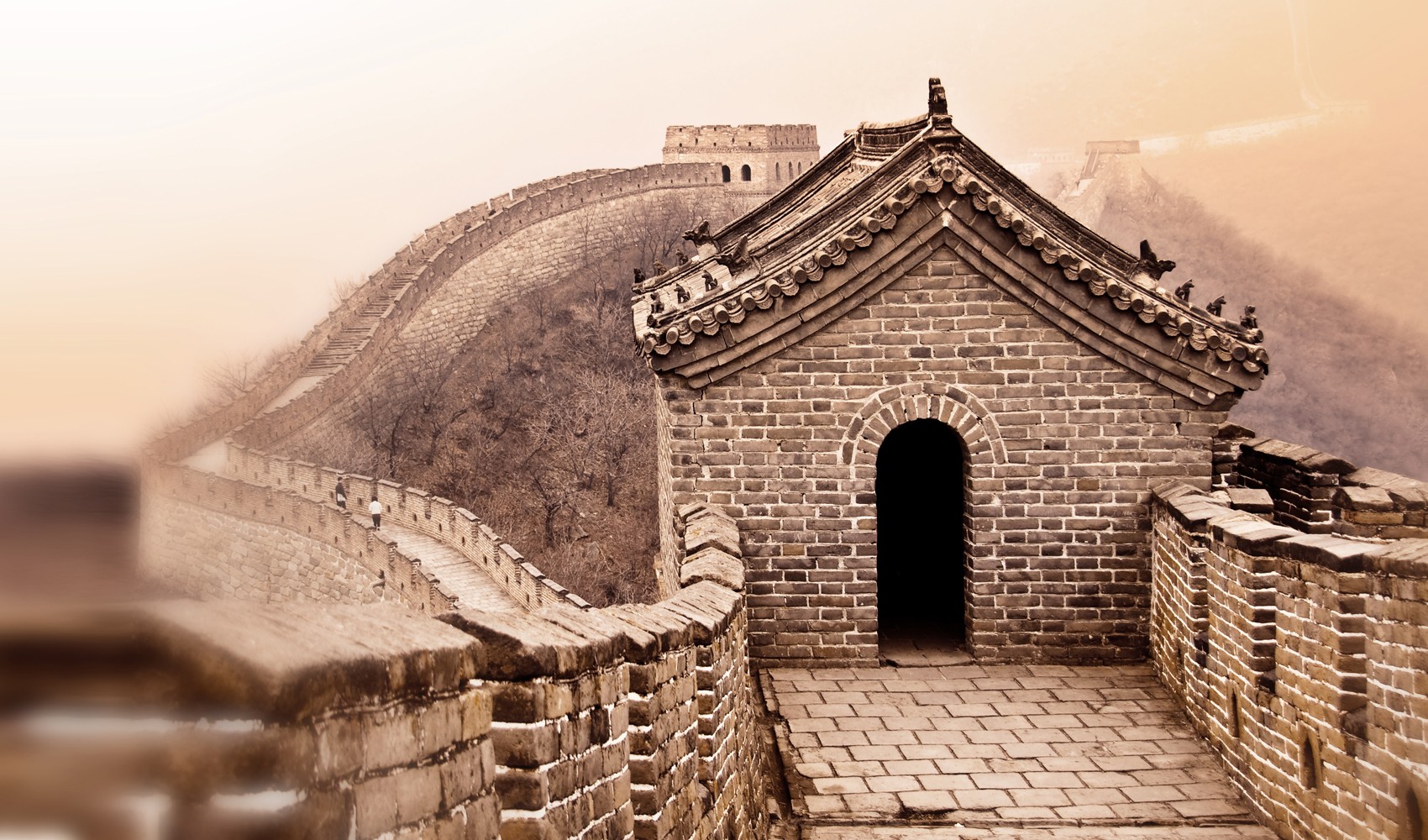
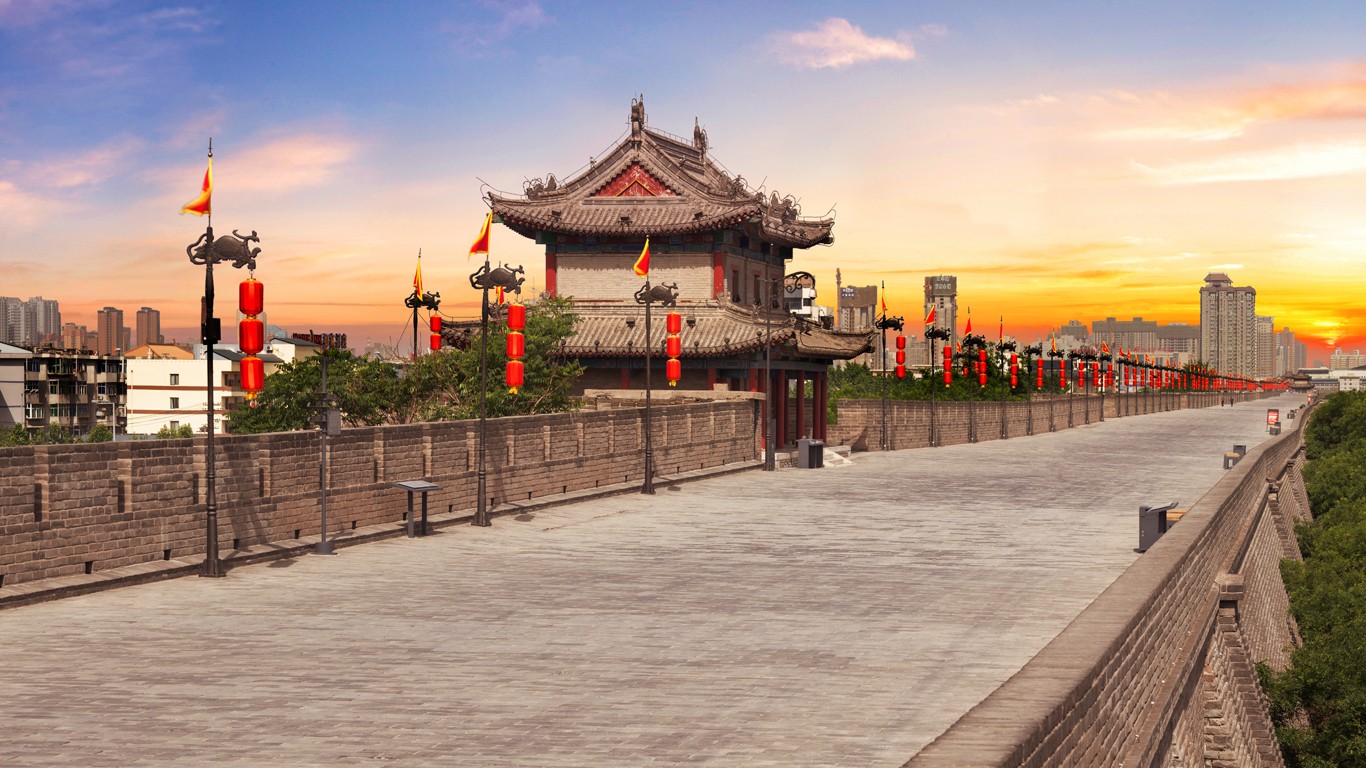
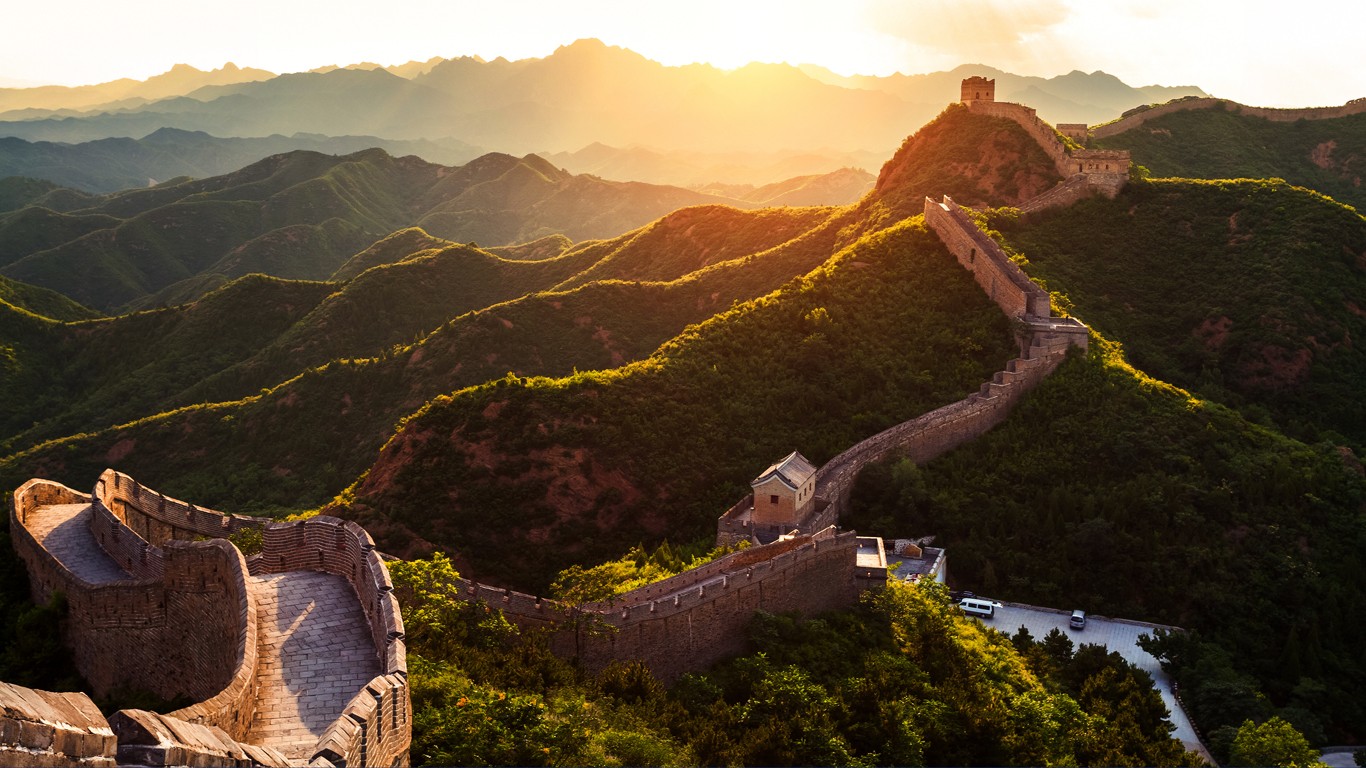
The Xi'an City Wall is not only the most complete city wall that has survived in China , but it's also one of the largest and most complete ancient military systems of defense in the world. The city walls here were actually built on the fortifications of the Tang Forbidden City. The military defense facilities here including the city wall, city moat, drawbridges, watchtowers, corner towers, parapet walls and gate towers once made up a complete city defense system. Many sections have since been destroyed and the city walls are incomplete. The 14 km of wall does not stretch around the entire city. You can get up on the walls at the east of the railway station and at the south gate adjacent to the provincial museum. |
|
City Wall |