Beijing
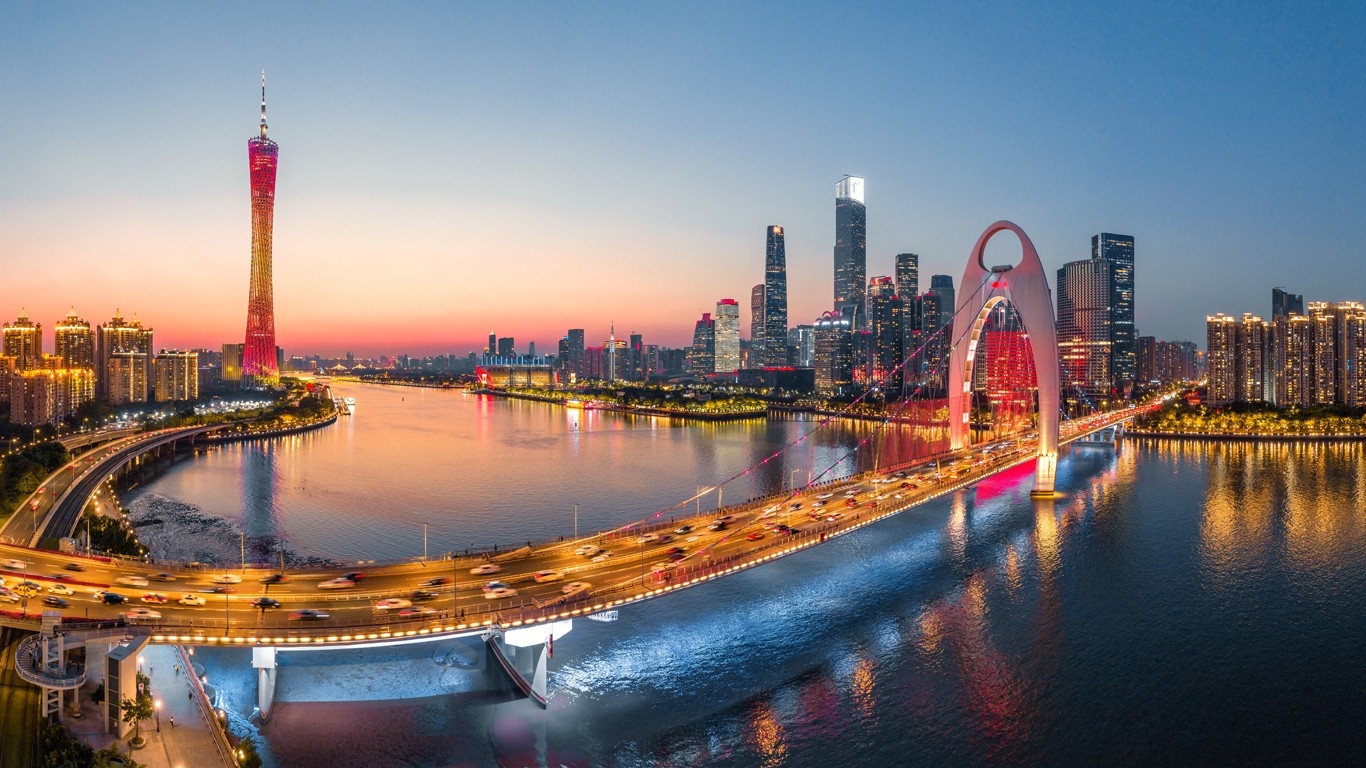
As the capital of the People's Republic of China , Beijing is the national political and cultural center. It's both an old and a new city --old in its cultural heritage and new as the capital of the country. In the later 1,000 years, it has been China 's political and cultural center. The foundation of the layout of present Beijing was laid in 1404, when the Ming Dynasty (1368-1644) decided to move the capital from Nanjing to Beijing and started a large-scale construction. Many of the ancient palace buildings, temple structures and gardens that are still visible today can be traced back to this period or later. Large-scale construction since the founding of the People's Republic of China in 1949 has brought great changes to Beijing . Today's Beijing still retains the alluring fascination of an ancient capital, but has added a small forest of skyscrapers and a complete range of municipal facilities, transforming itself into an attractively modern metropolis redolent of history.
Welcome to Beijing
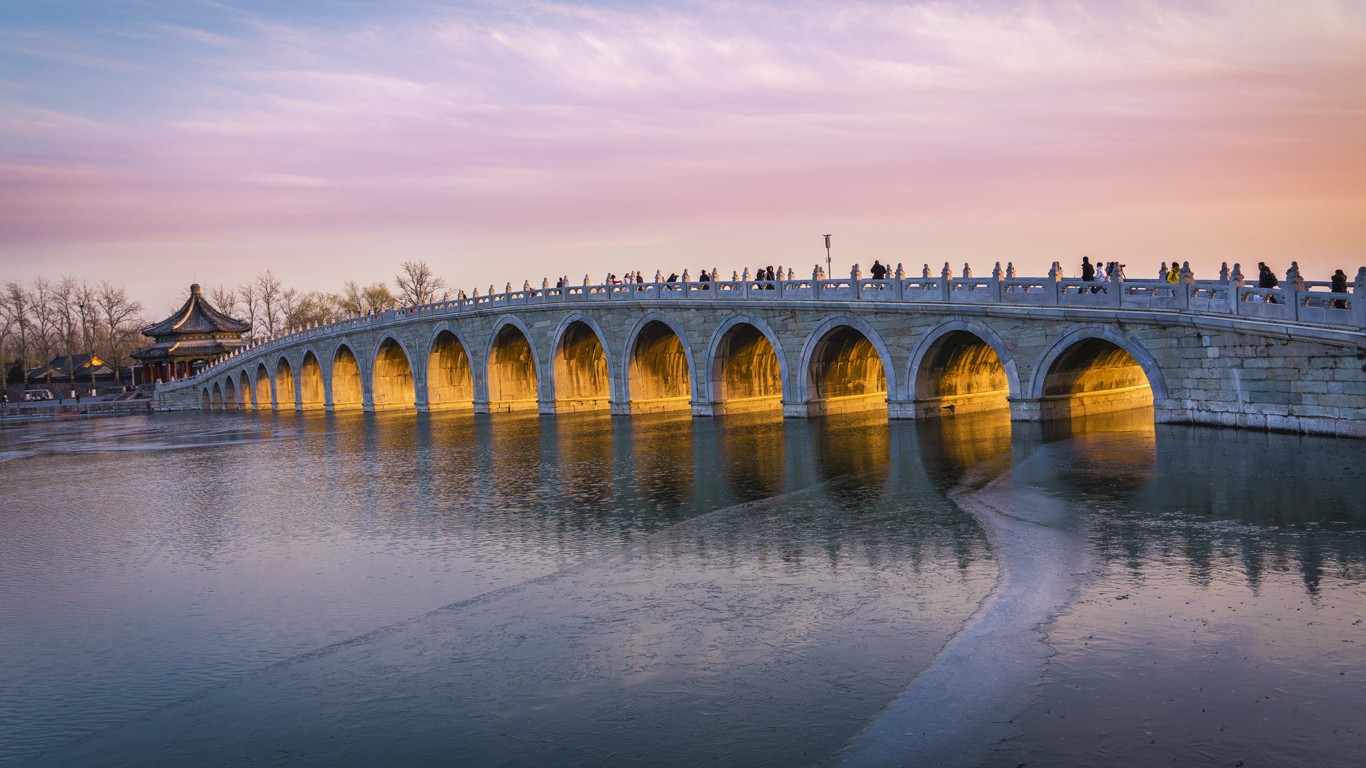
The Summer Palace
Originally known as the " Garden of Clear Ripples ", the Summer Palace (Yiheyuan) is a magnificent imperial garden located 12 km north-west of Beijing City . This is the largest ancient preserved garden in China and a former summer retreat for Emperors and the chosen few! The site includes more than 100 ancient style pavilions, mansions, towers, halls, temples, bridges and an enormous clear water lake. What is most enjoyable about the Summer Palace however, is that it is simply a gorgeous place to relax, escape the smoke and crowds of the city and spend an afternoon walking. That said however, one could just as easily spend one week out here as one afternoon! Given the sheer size of the place (occupying an area of 290 acres) the Summer Palace is as vast as it is spectacular. This is great though, as it means you get the rare chance in Beijing , to lose the crowds and clear the cobwebs from your mind! |
![]() |
| The Summer Palace |
Tiananmen Square
|
Tiananmen Square is located in the center of the city of Beijing, one of the largest public squares in the world, Originally, during the feudal era, it was a palace square surrounded by red walls, and entry was forbidden to anyone except authorizes persons. Occuping an area of 50 hectares and renovate and expanded, the square is now used for large gatherings and is a popular place to visit. On the northern end of the square stands Tiananmen Tower , golden, purple, and radiant. During the ancient days, the emperor would lead his officials in making sacrifice to the flag at the foot of the tower whenever a military expedition was being launched. Public proclamations were made here as wall. |
![]() |
Tiananmen Square |
The Forbidden City
The Forbidden City is known today as the Palace Museu-m.Its construction began in 1406 and was completed fourteen years later. Occupying an area of 720,000square metres,it served as the official residence of twenty-four emperors for a period of 491 years, beginning in 1420 with Emperor Cheng Zu of the Ming Dynasty, and ending with Emperor Puyi(1906-1967),whose Qing Dynasty was over-thrown in1911. The building arrangement with the Forbidd-en City is symmetrical,and the city itself is located on a north-south axis, luxurious and solemn. Its Outer Court is where the emperor received his ministers and conducted grand ceremonies. The Inner Court was his private residence. |
![]() |
The Forbidden City |
Great Wall
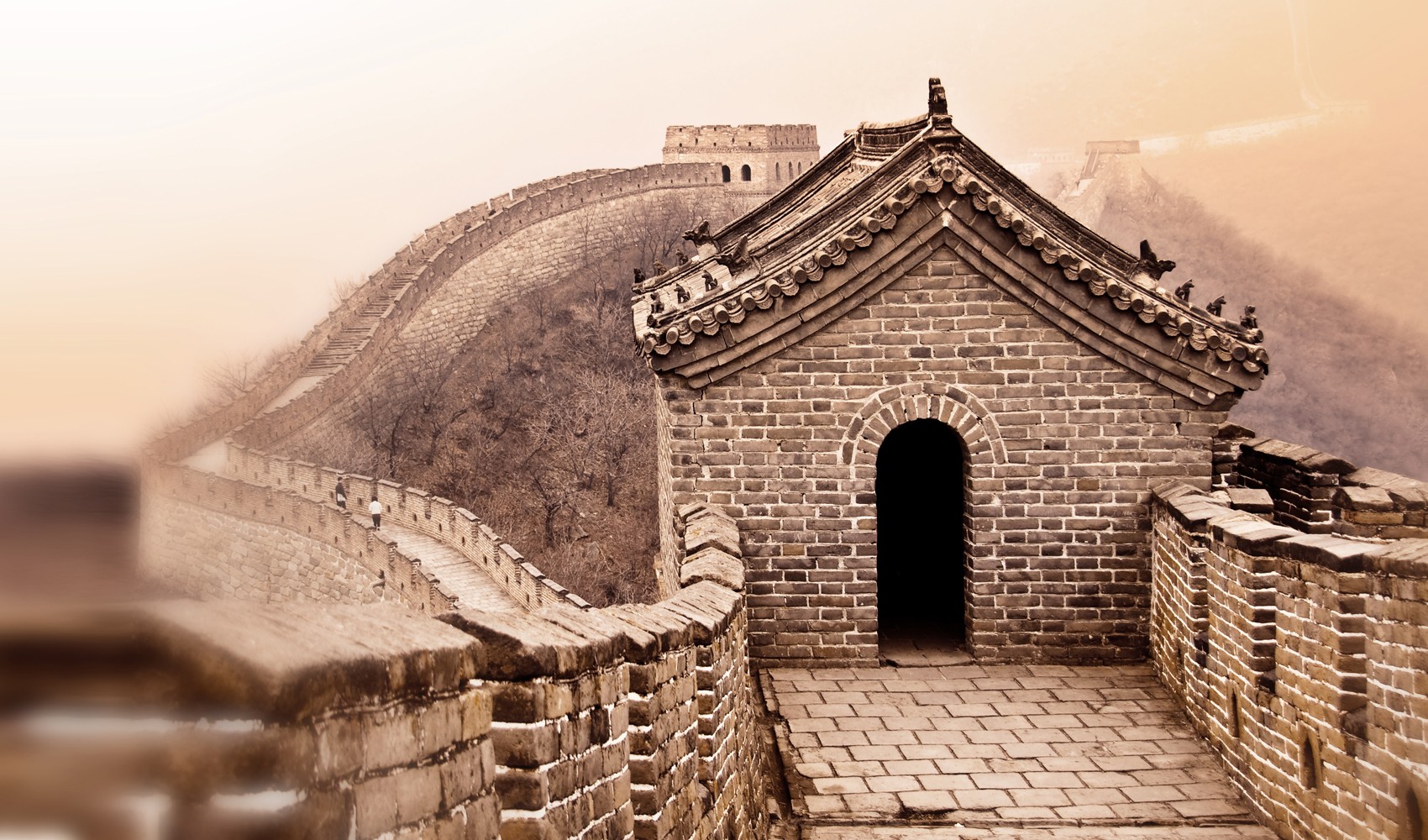
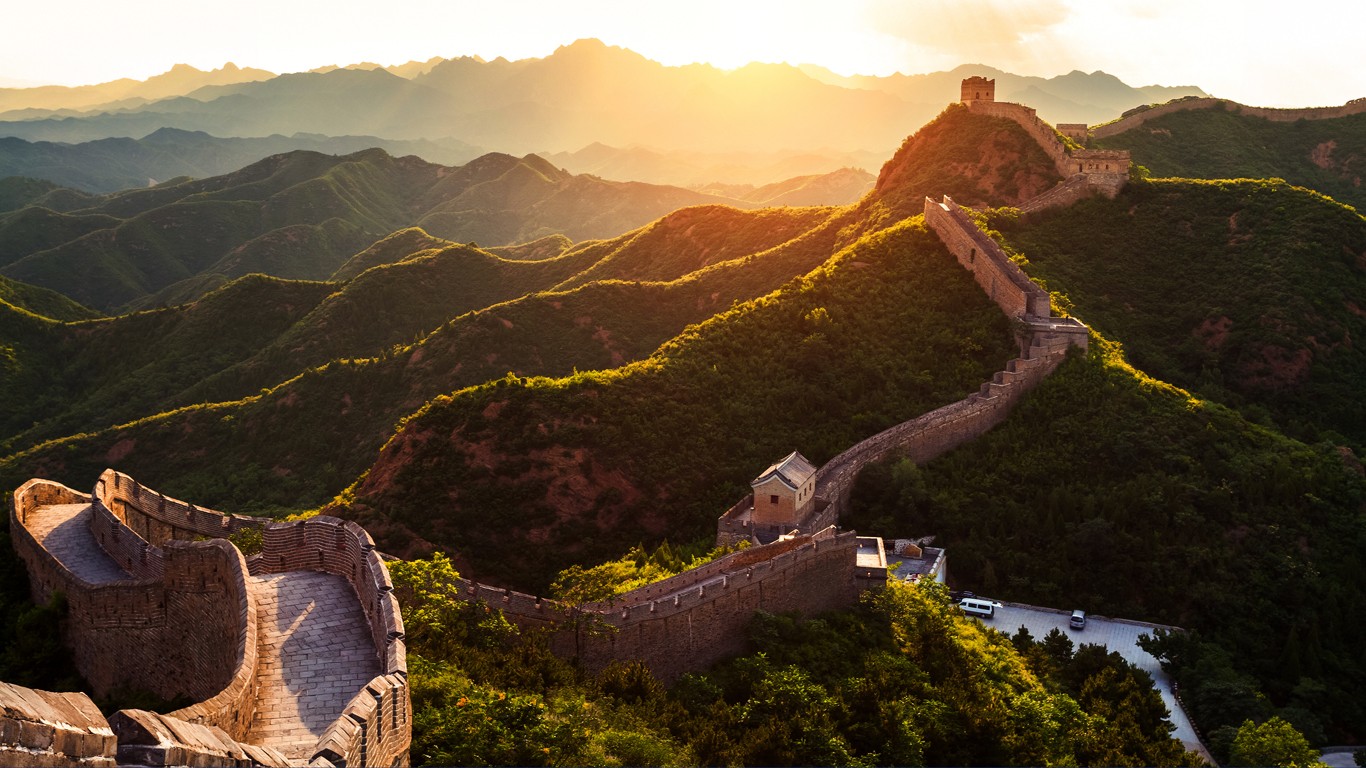
Great Wall –soul of China , master piece of mankind! It is one of the Seven Wonders of the World as well as one of the man made structures visible from space, recognizes by the United Nation as the cultural heritage of the human kind. Great Wall at Badaling is fifty kilometers to the northwest of Beijing , visitors can view a section of the famous Great Wall that rises and falls with the undulating mountains. The world-renowned Great Wall, a symbol of the ancient Chinese civilization, has stood grandly on the land of China for thousands of years. Stretching from the coast of the Bohai Gulf in the east and terminating at Jiayu Pass in the west, it serpentines among lofty mountains for 12,700 li, or 6,350 kilometers, hence its Chinese name Wanlichangcheng (Ten-thousand-li-long wall). |
![]() |
Great Wall |